When you're trying to conceive, understanding your menstrual cycle and knowing when you're most fertile can help improve your chances of pregnancy. One of the most common questions people have when trying to grow their families is: How long does an egg live after ovulation?


An egg is typically viable for approximately 12 to 24 hours after ovulation. However, because sperm can survive in the female reproductive tract for up to five days, your fertile window is considerably longer than the lifespan of an egg.


Understanding how ovulation works, recognizing the signs of fertility, and knowing when to seek professional guidance can help you make more informed decisions throughout your fertility journey.
What Is Ovulation and How Does It Work?

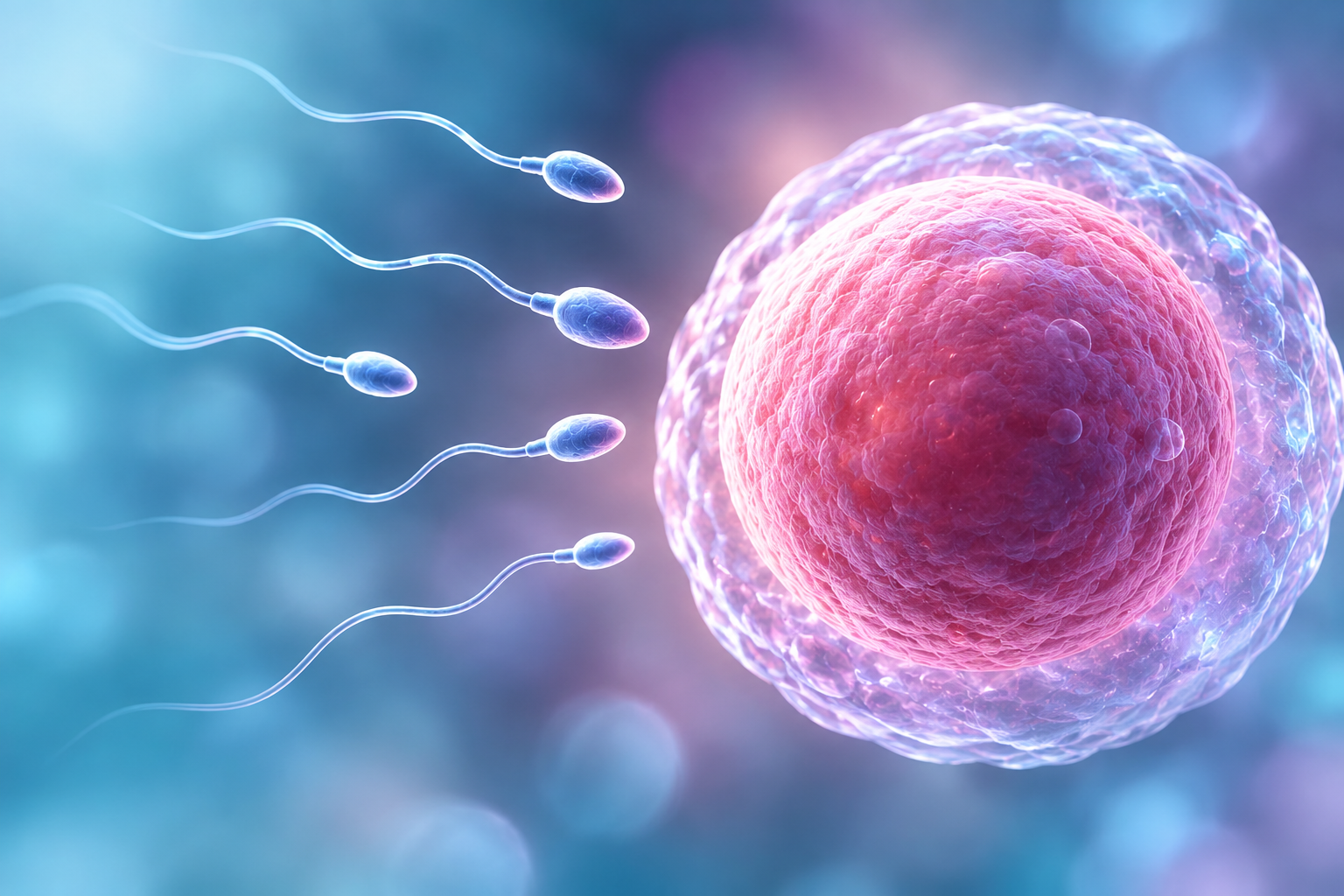
Ovulation is a natural process during the menstrual cycle in which an ovary releases a mature egg. The egg then enters the fallopian tube, where it may encounter sperm and become fertilized.


During the menstrual cycle, several hormones work together to prepare the body for a potential pregnancy, including:

  • Follicle-stimulating hormone (FSH): Stimulates the growth and development of ovarian follicles.
  • Estrogen: Helps prepare the uterine lining and contributes to changes in cervical mucus.
  • Luteinizing hormone (LH): Triggers the release of a mature egg from the ovary.
  • Progesterone: Helps prepare and maintain the uterine lining for potential implantation after ovulation.


While ovulation often occurs around day 14 of a 28-day menstrual cycle, not everyone follows this pattern.


Ovulation timing can vary from person to person and from month to month, even among individuals with regular periods.


How Long Is an Egg Viable After Ovulation?

Once an egg is released from the ovary, it generally remains capable of being fertilized for approximately 12 to 24 hours.


If sperm successfully fertilizes the egg during this time, the fertilized egg begins dividing as it travels toward the uterus, where implantation may occur.


If fertilization does not occur, the egg degenerates and is naturally absorbed by the body. Hormone levels eventually decline, triggering menstruation.


Because the egg has such a short lifespan, having sperm already present in the reproductive tract when ovulation occurs may help increase the chances of conception.


How Long Does Sperm Live Compared to an Egg?

Unlike an egg, sperm can survive for several days under favorable conditions within the female reproductive tract. Fertile cervical mucus helps support sperm survival and movement.


  • Reproductive Factor
  • Typical Time Frame
  • Egg viability after ovulation
  • 12–24 hours
  • Sperm survival
  • Up to 5 days
  • Typical fertile window
  • Approximately 6 days
  • Peak fertility
  • 1–2 days before ovulation
  • Fertilization after ovulation
  • Possible for up to approximately 24 hours


The difference between egg and sperm survival explains why you can become pregnant from intercourse that occurs several days before ovulation.
When Are You Most Fertile During Your Menstrual Cycle?

Your fertile window generally includes the five days leading up to ovulation and the day of ovulation itself. Conception may also be possible shortly afterward while the egg remains viable.


Your chances of pregnancy are generally highest during the one to two days before ovulation.


Understanding Your Fertile Window

Illustrative example relative to ovulation dayActual ovulation timing varies. This illustration should not be used as a method of contraception.


For individuals trying to conceive naturally, having intercourse every one to two days throughout the fertile window is generally recommended.


Rather than trying to pinpoint the exact hour of ovulation, focusing on the days surrounding it may help reduce the pressure associated with trying to conceive.


How to Know When You Are Ovulating

Learning to recognize the signs of ovulation can help you better understand your reproductive health. Several methods are available to estimate when ovulation may occur.


1. Track Your Menstrual Cycle

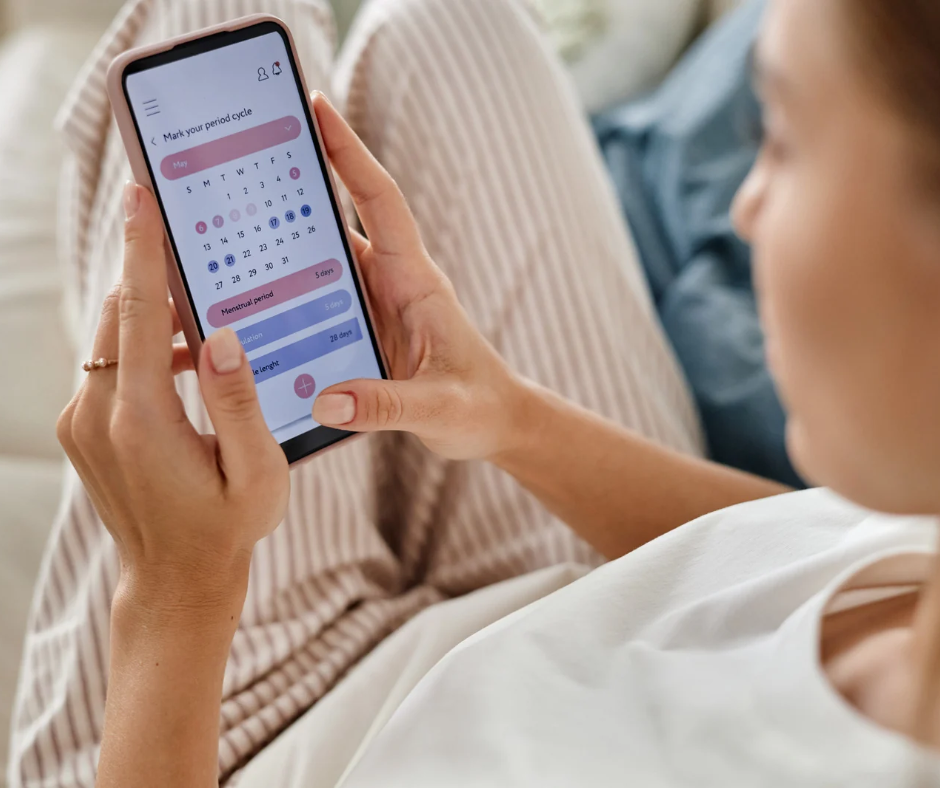
Recording the first day of your period and the length of each menstrual cycle can help you identify patterns.

In a typical cycle, ovulation may occur approximately 14 days before your next period.


Menstrual Cycle                                              Estimated Ovulation Date

26 Days                                                                        Day 12
28 Days                                                                        Day 14
30 Days                                                                        Day 16
32 Days                                                                        Day 18
35 Days                                                                        Day 21


These are estimates rather than guarantees. Calendar-based tracking and fertility apps cannot reliably determine the exact day an egg is released.


2. Use Ovulation Predictor Kits (OPKs)

Ovulation predictor kits detect increases in luteinizing hormone in your urine.


A positive ovulation test generally indicates that ovulation may occur within the next 24 to 48 hours, making it a useful tool for identifying potentially fertile days.


However, a positive test does not guarantee that an egg has been released. Individuals with polycystic ovary syndrome (PCOS) or certain hormonal imbalances may experience misleading results.


3. Monitor Changes in Cervical Mucus

Cervical mucus changes throughout the menstrual cycle in response to hormone fluctuations.


As ovulation approaches, cervical mucus may become:

  • Clear and slippery
  • Thin and watery
  • Stretchy, similar to raw egg whites
  • More noticeable than at other points in the cycle


These changes create a more favorable environment for sperm survival and movement. However, not everyone experiences noticeable changes in cervical mucus.


4. Track Your Basal Body Temperature (BBT)

Basal body temperature is your body's resting temperature, typically measured immediately after waking.

Following ovulation, rising progesterone levels generally cause a small increase in body temperature.


Tracking your temperature over several menstrual cycles may help identify patterns. However, because the temperature increase usually occurs after ovulation, BBT is more useful for identifying when ovulation likely occurred than predicting when it will happen.


Illness, disrupted sleep, alcohol consumption, and inconsistent measurement times can also affect readings.


5. Recognize Other Possible Signs of Ovulation

Some individuals experience physical changes around ovulation, including mild pelvic discomfort, breast tenderness, bloating, or increased sexual desire.


These symptoms vary considerably and are not reliable enough to confirm ovulation on their own.


Can You Get Pregnant After Ovulation?

Yes, pregnancy is possible shortly after ovulation, provided the egg remains viable and sperm reaches it in time.


However, the likelihood of fertilization decreases as the egg ages. Once the egg is no longer viable, it cannot be fertilized during that cycle.


If you believe you conceived several days after ovulation, it is possible that ovulation occurred later than your tracking method predicted.


This is why relying exclusively on a fertility app or calendar may cause you to miss your most fertile days.


What Factors Can Affect Ovulation and Fertility?

Regular ovulation is an important part of reproductive health, but several factors can interfere with egg development, ovulation timing, or the ability to conceive.


These may include:

  • Polycystic ovary syndrome (PCOS)
  • Thyroid disorders
  • Hormonal imbalances
  • Elevated prolactin levels
  • Diminished ovarian reserve
  • Significant weight changes
  • Excessive exercise or inadequate nutrition
  • Certain medications and medical treatments
  • Age-related reproductive changes


Other conditions, such as endometriosis, blocked fallopian tubes, and male factor infertility, can also affect the chances of conception even when ovulation occurs regularly.


Successful conception depends on more than simply identifying your fertile window. Egg quality, sperm health, fallopian tube function, and uterine health all play important roles.


Can You Extend the Lifespan of an Egg After Ovulation?

There is currently no proven natural method, supplement, food, or lifestyle change that can extend the normal fertilizable lifespan of an egg after ovulation.


However, healthy lifestyle habits can support overall reproductive health. These include eating a balanced diet, avoiding tobacco products, getting adequate sleep, limiting alcohol consumption, maintaining appropriate physical activity, and discussing medications and supplements with your healthcare provider.


For individuals planning a pregnancy, taking a prenatal vitamin containing folic acid is also generally recommended to help reduce the risk of certain birth defects.


If you have concerns about egg quality, ovarian reserve, or ovulation, a fertility specialist can provide personalized guidance based on your medical history and test results.

When Should You See a Fertility Specialist?

If you have been tracking ovulation and timing intercourse but have not achieved pregnancy, it may be time to seek professional fertility guidance.


General recommendations for seeking a fertility evaluation include:


Age                                                               When To Seek Fertility Advice
Under 35                                                   After 12 months of trying to conceive
35-40                                                        After 6 months of trying to conceive
Over 40                                                    Seek an evaluation without delay 


You may benefit from an earlier fertility evaluation regardless of your age if you experience irregular or absent periods, have a history of recurrent pregnancy loss, have been diagnosed with PCOS or endometriosis, have known reproductive health concerns, or suspect male factor infertility.


A fertility evaluation may include hormone testing, ovarian reserve testing, ultrasound monitoring, fallopian tube assessment, and semen analysis, depending on your individual circumstances.


Bloodwork and ultrasound monitoring can also help fertility specialists evaluate follicle development and determine whether ovulation is occurring.


Frequently Asked Questions About Ovulation and Egg Fertility

Can an egg survive for 48 hours after ovulation?

An egg generally remains capable of fertilization for only 12 to 24 hours following ovulation. Fertilization 48 hours after confirmed ovulation would be highly unlikely.


Can I get pregnant five days before ovulation?

Yes. Sperm can survive for up to five days under favorable conditions, making pregnancy possible from intercourse several days before an egg is released.


Does a positive ovulation test mean an egg has been released?

No. An ovulation predictor kit detects an increase in luteinizing hormone, which typically precedes ovulation. It does not confirm that ovulation has successfully occurred.


Can you have a period without ovulating?

Yes. Bleeding can occur during a menstrual cycle in which ovulation does not take place. This is known as an anovulatory cycle.


Can you ovulate on different days each month?

Yes. Ovulation timing can vary between menstrual cycles. Hormonal fluctuations, illness, lifestyle changes, and underlying medical conditions may influence when ovulation occurs.


Does having regular periods mean I am fertile?

Regular menstrual cycles often suggest that ovulation is occurring, but they do not guarantee fertility. Other factors, including egg quality, sperm quality, fallopian tube health, and uterine health, can influence your ability to conceive.


Is it better to have intercourse before or after ovulation?

Intercourse before ovulation generally offers a better chance of conception because sperm can already be present in the fallopian tubes when an egg is released. The one to two days leading up to ovulation are typically among the most fertile days.


Personalized Fertility Testing and Treatment in Fishkill, NY

Understanding how long an egg lives after ovulation is an important part of learning about your fertility, but you don't have to navigate your reproductive health alone.


At Hudson Valley Fertility in Fishkill, New York, Dr. Daniel Levine and our compassionate fertility care team help individuals and couples better understand their reproductive health through comprehensive evaluations and personalized treatment plans.


Our fertility services include fertility testing, ovarian reserve assessments, ovulation evaluation, male fertility testing, ovulation induction, intrauterine insemination (IUI), in vitro fertilization (IVF), egg freezing, and individualized fertility treatment.


Whether you're just beginning your fertility journey, experiencing irregular menstrual cycles, or have been trying to conceive without success, our team is here to provide the answers, guidance, and support you deserve.


We proudly serve patients throughout Dutchess County, Putnam County, Orange County, and the greater Hudson Valley region.


Take the next step toward growing your family. Contact Hudson Valley Fertility today to schedule your personalized fertility consultation.

couple looking at pregnancy est
November 5, 2026
Learn how to improve sperm health naturally, what causes low sperm quality, and when to seek fertility testing. Expert male fertility care in Fishkill, NY.
woman eating fruit in bowl
October 30, 2026
Looking to boost your fertility? Did you know some fruits can help with it? Learn more about how adding certain fruits to your diet may be able to help your infertility.
Dr Levine NY Top Docs
October 12, 2026
Hudson Valley Fertility celebrates Dr. Daniel Levine's 2026 NY Top Docs recognition for his experience and compassionate fertility care in Fishkill, NY.
October 2, 2026
Learn how cancer treatment can affect fertility and how egg freezing may help preserve future options. Explore fertility preservation before chemotherapy or radiation in Fishkill, NY.
September 30, 2026
For many women, the timing of starting a family doesn’t always line up perfectly with the timing of their fertility. You may be focused on your education or career, waiting for the right partner, managing a medical situation, or simply not feel ready to have children yet. Egg freezing can provide an opportunity to preserve younger eggs for potential use in the future. At Hudson Valley Fertility, we help patients understand their fertility and determine whether egg freezing may be an appropriate option for their individual goals. What Is Egg Freezing? Egg freezing, also known as oocyte cryopreservation, is a fertility preservation treatment that allows eggs to be retrieved from the ovaries and frozen for possible future use. The process is similar to the beginning stages of an IVF cycle. However, instead of fertilizing the retrieved eggs right away, mature eggs are frozen and stored. If you decide to use your frozen eggs in the future, they can be thawed and fertilized with sperm to create embryos. An embryo may then be transferred to the uterus as part of an IVF cycle. Why Do Women Freeze Their Eggs? There isn't one "right" reason to consider egg freezing. Some women choose to freeze their eggs because they know they want children someday but aren't ready to become parents now. Others may be facing circumstances that could affect their future fertility. Reasons for considering egg freezing can include: Focusing on school or a career Not having found the right partner Wanting more time before starting a family Preparing for certain medical treatments that may affect fertility Having a condition that could potentially affect ovarian function Wanting to preserve younger eggs for possible future use Egg freezing can provide more reproductive options, but it is important to understand that freezing eggs does not guarantee a future pregnancy. Why Does Age Matter When Freezing Your Eggs? One of the most important factors in egg freezing is the age of the eggs when they are frozen. Women are born with the eggs they will have throughout their reproductive lives. As age increases, both the number and overall quality of available eggs generally decline. This becomes particularly important as women move through their 30s and into their 40s. When you freeze eggs, you are essentially preserving them at their current biological age. For example, eggs frozen at age 30 remain eggs that were retrieved at age 30 even if you don't use them until years later. That's one reason discussing fertility preservation before you are ready to become pregnant can be valuable. What Is the Best Age to Freeze Your Eggs? There is no single perfect age for everyone. In general, egg freezing tends to offer greater potential when performed at younger reproductive ages because egg quantity and quality typically decline with age. But age isn't the only consideration. Your ovarian reserve, medical history, reproductive goals, family-building plans, and other individual factors can all play a role. A fertility evaluation can help you better understand your current fertility and whether egg freezing makes sense for you. What Happens During the Egg Freezing Process? Although every patient's treatment plan is individualized, the egg freezing process typically includes several steps. 1. Fertility Evaluation Your journey begins with a consultation and fertility evaluation. Your fertility specialist may review your medical and reproductive history and recommend testing to better understand your ovarian reserve. 2. Ovarian Stimulation Fertility medications are used to encourage multiple follicles to develop during the same cycle rather than the single egg that typically develops during a natural menstrual cycle. During this period, your response is monitored through appointments that may include bloodwork and ultrasound examinations. 3. Egg Retrieval Once the follicles are ready, the eggs are collected during an egg retrieval procedure. The eggs are then evaluated to determine which are mature and appropriate for freezing. 4 . Egg Freezing Mature eggs can be frozen using a rapid-freezing technique known as vitrification. The frozen eggs can then remain stored until you are ready to consider using them. How Many Eggs Should I Freeze? This is one of the most common questions patients ask about egg freezing, and there isn't a universal number that applies to everyone. The number of eggs retrieved during a cycle can vary based on factors such as: Age Ovarian reserve Response to fertility medications Individual reproductive health Future family-building goals Some patients may also consider more than one egg-freezing cycle depending on their circumstances. Your fertility specialist can discuss realistic expectations based on your individual test results rather than relying on a one-size-fits-all number. Does Freezing Your Eggs Guarantee a Baby Later? No. Egg freezing is a method of fertility preservation, not a guarantee of future pregnancy or live birth. Not every frozen egg will survive thawing, successfully fertilize, develop into a viable embryo, implant, or result in a live birth. Success can depend on multiple factors, with the age and quality of the eggs at the time they were frozen being particularly important. Understanding these limitations is an important part of deciding whether egg freezing is right for you. Should I Consider Egg Freezing If I'm Not Ready for Children? You don't have to know exactly when—or even whether—you'll want to use your frozen eggs before having a conversation about fertility preservation. If having biological children in the future is important to you but parenthood isn't part of your immediate plans, learning about your fertility now can help you understand your options. The goal isn't to pressure you into treatment. It's to give you information that can help you make decisions about your reproductive future on your own timeline. Egg Freezing in the Hudson Valley, NY If you're considering egg freezing in the Hudson Valley, you don't necessarily have to travel to New York City to begin exploring your fertility preservation options. Hudson Valley Fertility provides fertility care in Fishkill, New York, helping patients throughout Dutchess County and surrounding Hudson Valley communities access fertility evaluation and treatment closer to home. Our team can help you understand your ovarian reserve, discuss your future family-building goals, and determine whether egg freezing may be appropriate for you. Frequently Asked Questions About Egg Freezing Does freezing eggs stop them from aging? Eggs do not continue biologically aging while they are frozen. Their potential is largely associated with the age at which they were retrieved and frozen. Is egg freezing the same as IVF? The initial portions of treatment are similar because both can involve ovarian stimulation, monitoring, and egg retrieval. With egg freezing, however, mature eggs are frozen rather than immediately fertilized to create embryos. Can I freeze my eggs if I'm single? Yes. Many women consider egg freezing specifically because they would like the possibility of having biological children in the future but aren't currently ready to start a family or haven't found the right partner. Is 35 too late to freeze my eggs? Not necessarily. Fertility varies considerably between individuals. Because egg quantity and quality generally decline with age, an individualized fertility evaluation is the best way to understand your options. Can I freeze eggs in my 40s? Egg freezing may still be discussed at older reproductive ages, but age-related changes in egg quantity and quality become increasingly important. A fertility specialist can evaluate your individual situation and discuss realistic expectations and potential alternatives. How long can frozen eggs be stored? Properly cryopreserved eggs can potentially remain frozen for years. Your fertility clinic can explain storage policies, fees, and considerations associated with long-term storage. Take the First Step Toward Understanding Your Fertility You may not be ready to have a baby today—but that doesn't mean you can't learn about your options for tomorrow. If you're considering egg freezing or fertility preservation in the Hudson Valley, the first step is simply getting more information. Schedule a consultation with Hudson Valley Fertility in Fishkill, NY to learn more about your fertility, ovarian reserve, and whether egg freezing could be part of your future family-building plan. Your future doesn't have to follow someone else's timeline. Understanding your fertility today can give you more information to make the choices that are right for you.
September 18, 2026
When you’re trying to conceive, nutrition can play an important role in preparing your body for pregnancy. One nutrient you’ll hear about frequently is folic acid —and for good reason. Folic acid, a form of vitamin B9, supports the production of new cells and is especially important before conception and during the earliest stages of pregnancy. While taking folic acid does not guarantee that you will become pregnant, getting enough of this essential nutrient is an important part of preconception and prenatal health . If you're trying to conceive naturally or undergoing fertility treatment, understanding the role of folic acid for fertility and pregnancy can help you prepare for the next step in your family-building journey.
August 28, 2026
Choosing a fertility clinic is a deeply personal decision. Success rates, treatment options, location, insurance coverage, and cost may all influence your choice—but there is another factor patients may not immediately consider: Who owns and operates the fertility practice? Across healthcare, including reproductive medicine, some independent medical practices have become part of larger healthcare organizations, fertility networks, or corporate groups. Other fertility clinics remain independently owned and physician-operated.  Neither ownership structure alone determines the quality of care you will receive. However, understanding how a fertility practice is structured can help you ask better questions and choose a fertility clinic that aligns with what you value. At Hudson Valley Fertility in Fishkill, NY, our practice is physician-owned and operated. For patients throughout the Hudson Valley, that means fertility care is delivered within an independent practice where medical leadership remains closely connected to patient care.
By Justin Conklin • August 6, 2026
How Much Does Egg Freezing Cost? If you've been thinking about preserving your fertility for the future, one of the first questions you probably have is: How much does egg freezing cost? The answer depends on several factors, including where you receive treatment, the medications required, and how long you choose to store your eggs. While egg freezing is an investment, many patients find that preserving healthy eggs at a younger age can provide more family-building options later in life. At Hudson Valley Fertility, we believe patients deserve transparent information so they can make informed decisions about their reproductive future.
July 31, 2026
For many people, turning 35 feels like a milestone—and when it comes to fertility, it's often surrounded by myths and unnecessary fear. You may have heard the phrase "advanced maternal age" or been told that your fertility dramatically declines the moment you turn 35. The reality is much more nuanced. While fertility does gradually change with age, 35 is not a deadline. It's simply a good time to become more informed about your reproductive health, especially if you're planning to start or grow your family in the future. At Hudson Valley Fertility, we believe knowledge empowers you to make confident decisions about your family-building journey.
July 3, 2026
As summer arrives in the Hudson Valley, many of us naturally spend more time outside enjoying longer days, warmer temperatures, and sunshine. If you're trying to conceive, you may have heard that spending time in the sun can improve fertility. But what does the science actually say?  The short answer is this: sunlight is not a treatment for infertility, but healthy sun exposure may support several aspects of overall health that are important for reproductive wellness.