Choosing a fertility clinic is a deeply personal decision. Success rates, treatment options, location, insurance coverage, and cost may all influence your choice—but there is another factor patients may not immediately consider:
Who owns and operates the fertility practice?
Across healthcare, including reproductive medicine, some independent medical practices have become part of larger healthcare organizations, fertility networks, or corporate groups. Other fertility clinics remain independently owned and physician-operated.
Neither ownership structure alone determines the quality of care you will receive. However, understanding how a fertility practice is structured can help you ask better questions and choose a fertility clinic that aligns with what you value.
At Hudson Valley Fertility in Fishkill, NY, our practice is physician-owned and operated. For patients throughout the Hudson Valley, that means fertility care is delivered within an independent practice where medical leadership remains closely connected to patient care.
What Is a Physician-Owned Fertility Clinic?
A physician-owned fertility clinic is a medical practice in which physicians maintain ownership and play a direct role in how the practice operates.
At Hudson Valley Fertility, this model allows our medical team to remain closely involved in both patient care and the overall direction of the practice.
For patients, the important question isn't simply who owns the clinic. It's how that ownership structure affects their experience.
When comparing fertility clinics, consider asking:
- Who makes decisions about my fertility treatment?
- Will I regularly see the same physician and care team?
- How accessible is my physician when questions arise?
- Is treatment individualized based on my diagnosis and goals?
- Who oversees the laboratory and clinical protocols?
- How does the practice communicate with patients throughout treatment?
These questions can tell you much more about a fertility practice than its size alone.
What Is a Corporate-Owned Fertility Clinic?
Some fertility practices operate as part of larger regional or national organizations. These organizations may own or manage multiple fertility clinics across different locations.
Larger fertility networks can offer advantages. Depending on the organization, patients may have access to multiple locations, larger provider networks, standardized systems, expanded resources, or certain administrative conveniences.
However, the patient experience can vary significantly from one organization and location to another.
That's why patients shouldn't assume that a large fertility network or a small independent practice will automatically provide a particular type of experience.
Instead, look closely at the individual fertility clinic, its physicians, laboratory, communication style, treatment philosophy, and approach to patient care.
Why Does Fertility Clinic Ownership Matter?
Fertility treatment isn't typically a single appointment.
Patients may spend weeks, months, or longer communicating with their fertility team while completing testing, monitoring cycles, taking medications, undergoing procedures, or considering important family-building decisions.
That makes the relationship between a patient and their fertility care team particularly important.
1. Physician Involvement
One potential benefit of a physician-owned fertility practice is that the physicians treating patients are also closely involved in the practice itself.
This can create a direct connection between clinical care and practice leadership.
When researching fertility clinics, ask who will actually oversee your treatment and how involved your reproductive endocrinologist will be throughout the process.
2. Personalized Fertility Treatment
There is no single fertility treatment that is appropriate for every patient.
Some people may benefit from timed intercourse or ovulation induction. Others may consider intrauterine insemination (IUI), in vitro fertilization (IVF), fertility preservation, donor sperm, donor eggs, or other family-building options.
Factors such as age, ovarian reserve, reproductive history, semen analysis results, underlying medical conditions, previous treatment, and personal goals can all influence recommendations.
At Hudson Valley Fertility, our goal is to evaluate the individual patient and develop a treatment plan based on their specific circumstances—not simply start everyone with the same treatment.
3. Continuity of Care
When you're undergoing fertility treatment, repeatedly explaining your history to different people can add unnecessary frustration to an already complex process.
Continuity can help your care team become familiar with your history, previous treatment responses, concerns, and family-building goals.
When evaluating a clinic, ask how often you can expect to see your physician and whether you'll have a consistent team throughout treatment.
4. Communication
Fertility treatment can generate a lot of questions.
When should I take my medication?
What do my hormone levels mean?
How many follicles are developing?
Why was my medication dose changed?
What happens if this cycle isn't successful?
Clear communication matters regardless of whether a clinic is independent or part of a larger organization.
Ask prospective clinics how patients communicate with their care team, who responds to treatment questions, and how results and next steps are explained.
Bigger Doesn't Necessarily Mean Better—And Smaller Doesn't Automatically Mean Better Either
It can be tempting to compare fertility clinics based solely on size or brand recognition.
But fertility care is more complicated than that.
A large fertility organization may offer excellent care, just as an independent fertility clinic may offer excellent care. Ownership alone does not determine physician expertise, laboratory quality, pregnancy outcomes, or patient experience.
Instead, patients should evaluate the factors that directly affect their treatment.
Consider the physician's qualifications and experience, treatment philosophy, available services, laboratory standards, communication practices, accessibility, transparency, and whether you feel comfortable asking questions.
The best fertility clinic for you is one where you feel informed, respected, and confident in your care team.
Questions to Ask Before Choosing a Fertility Clinic
If you're comparing fertility clinics in the Hudson Valley, Westchester County, New York City, Connecticut, or elsewhere in New York, don't be afraid to ask detailed questions before beginning treatment.
Some useful questions include:
Who will be my primary fertility doctor?
Find out whether you will regularly work with one physician or rotate among several providers.
Who makes decisions about my treatment plan?
Understand how treatment recommendations and medication changes are determined.
Will my treatment be customized to my diagnosis?
Ask how the clinic determines whether IUI, IVF, fertility medications, or another approach may be appropriate.
How accessible is my fertility team?
Ask how questions are handled between appointments and during active treatment cycles.
Where are procedures performed?
Find out where monitoring, egg retrievals, embryo transfers, laboratory procedures, and other services take place.
Who oversees the fertility laboratory?
The embryology laboratory plays an important role in IVF treatment, so patients should understand how the laboratory is managed and monitored.
What happens if my first treatment doesn't work?
A good consultation should include a discussion about how your treatment plan may evolve based on your response and results.
The Hudson Valley Fertility Difference
Hudson Valley Fertility is a physician-owned and operated fertility practice located in Fishkill, New York.
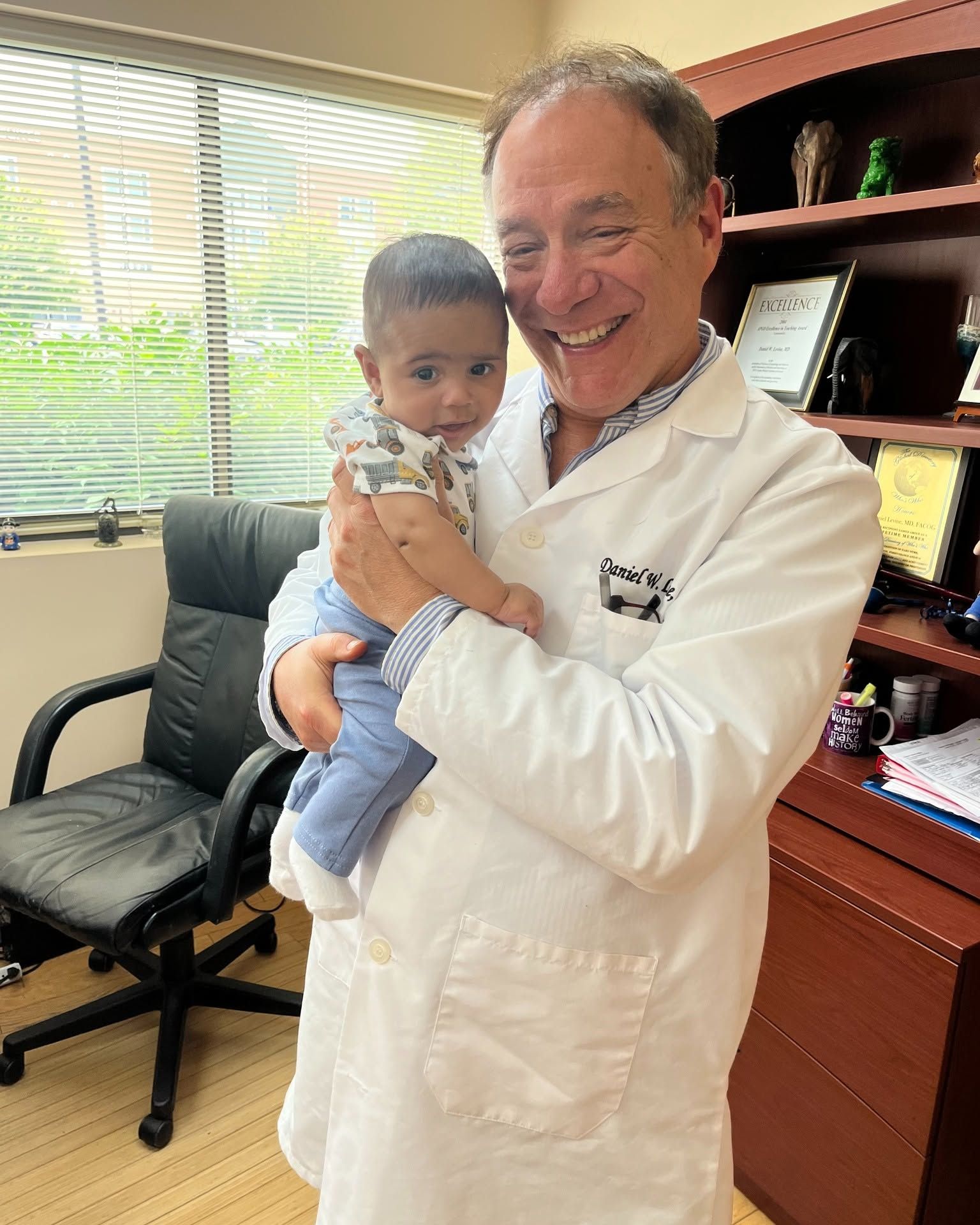
Our practice is led by Medical Director Dr. Daniel Levine, and our team provides fertility evaluation and treatment in a setting designed around individualized patient care.
We believe patients should understand their options and the reasoning behind their treatment recommendations.
Rather than viewing fertility treatment as a one-size-fits-all process, we look at the complete picture—including your medical history, fertility testing, age, reproductive goals, previous treatment, and other factors that may affect your path forward.
Our fertility services include evaluation and testing, fertility medications, IUI, IVF, fertility preservation and egg freezing, male fertility evaluation, donor options, and other family-building treatments.
Most importantly, we want patients to feel like people—not numbers on a treatment schedule.
Looking for a Fertility Clinic in the Hudson Valley?
If you're researching fertility clinics in Fishkill, Poughkeepsie, Wappingers Falls, Beacon, Newburgh, Dutchess County, Putnam County, Orange County, Westchester County, or the surrounding Hudson Valley, understanding how a practice operates can be an important part of your decision.
Whether you're just beginning to investigate your fertility, have been trying to conceive without success, are considering IVF or IUI, or want to preserve your fertility for the future, your first step doesn't have to be choosing a treatment.
It can simply be getting answers.
At Hudson Valley Fertility, our physician-owned and operated practice is here to help you better understand your fertility and the options available to you.
Ready to talk with a fertility specialist?
Schedule a consultation with Hudson Valley Fertility in Fishkill, NY.
Hudson Valley Fertility
400 Westage Business Center Dr., Suite 109
Fishkill, NY 12524
845-765-0125
Frequently Asked Questions About Choosing a Fertility Clinic
Is a physician-owned fertility clinic better than a corporate-owned fertility clinic?
Not necessarily. Ownership structure alone doesn't determine the quality of fertility care. Physician experience, laboratory quality, individualized treatment, communication, available services, and your comfort with the care team are more meaningful factors to consider.
What does physician-owned fertility clinic mean?
A physician-owned fertility clinic is a medical practice in which physicians maintain ownership of the practice and are involved in its clinical leadership and operations. The exact structure varies by practice.
What should I look for when choosing a fertility clinic?
Consider physician credentials and experience, available fertility treatments, laboratory practices, communication, continuity of care, location, insurance and financial considerations, and whether treatment recommendations are clearly explained.
Should I choose a local fertility clinic?
Having fertility care close to home can be convenient because certain treatments require frequent monitoring appointments. However, location should be considered alongside physician expertise, services, laboratory quality, treatment philosophy, and your overall comfort with the practice.
Where is Hudson Valley Fertility located?
Hudson Valley Fertility is located at 400 Westage Business Center Dr., Suite 109, Fishkill, NY 12524, serving patients throughout Dutchess County and the greater Hudson Valley.