When you're trying to conceive, what you eat can play an important role in your overall reproductive health. While no single food can guarantee pregnancy or reverse infertility, a balanced diet rich in vitamins, minerals, antioxidants, and healthy fats can help support the body's reproductive functions.
One of the simplest ways to incorporate fertility-friendly nutrients into your daily routine is by eating more fruit.
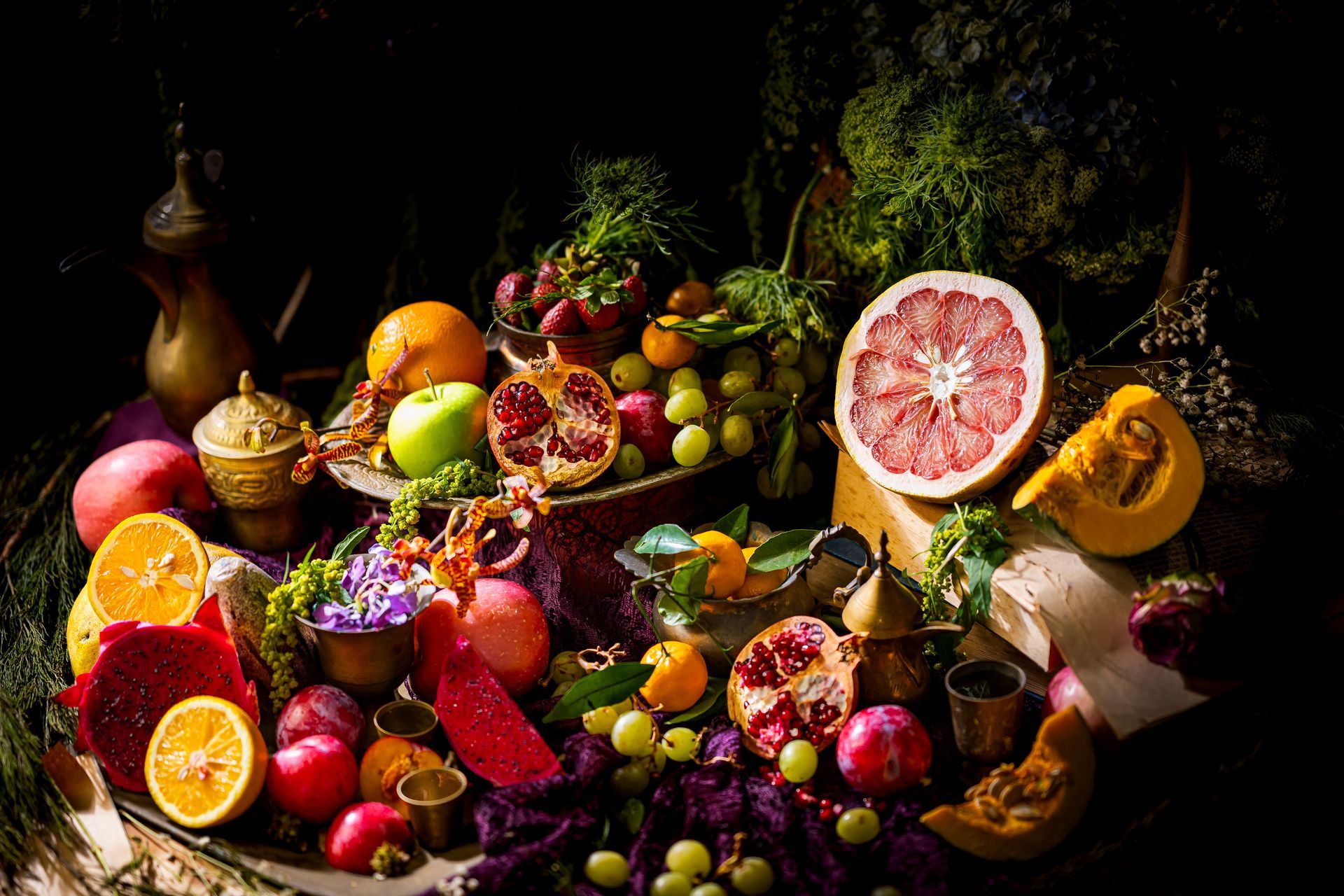
Certain fruits, including berries, citrus fruits, avocados, and pomegranates, contain nutrients that may support egg and sperm health, protect cells from oxidative stress, and contribute to overall wellness.
At Hudson Valley Fertility in Fishkill, NY, we encourage individuals and couples to take a comprehensive approach to reproductive health. Understanding how nutrition fits into your fertility journey is one way to make informed decisions while preparing for pregnancy.

Can Eating Fruit Improve Fertility?
Fruit provides essential nutrients that help support many of the biological processes involved in reproduction.
Research suggests that dietary patterns emphasizing fruits, vegetables, whole grains, and unsaturated fats may be associated with better reproductive health. However, evidence that eating any particular fruit directly increases pregnancy rates remains limited.
Some of the most important nutrients found in fruit include:
- Antioxidants: Help protect cells from oxidative stress, which can affect both eggs and sperm.
- Folate: Supports DNA synthesis and healthy cell division and is especially important before and during early pregnancy.
- Vitamin C: Supports normal cellular function and helps protect cells from oxidative damage.
- Healthy Fats: Contribute to overall health and provide essential fatty acids needed for normal physiological functions.
- Fiber: Helps support digestive and metabolic health, including healthy blood sugar regulation.
Although these nutrients are beneficial, fertility is influenced by many factors, including age, ovulation, sperm quality, hormone levels, and underlying medical conditions.
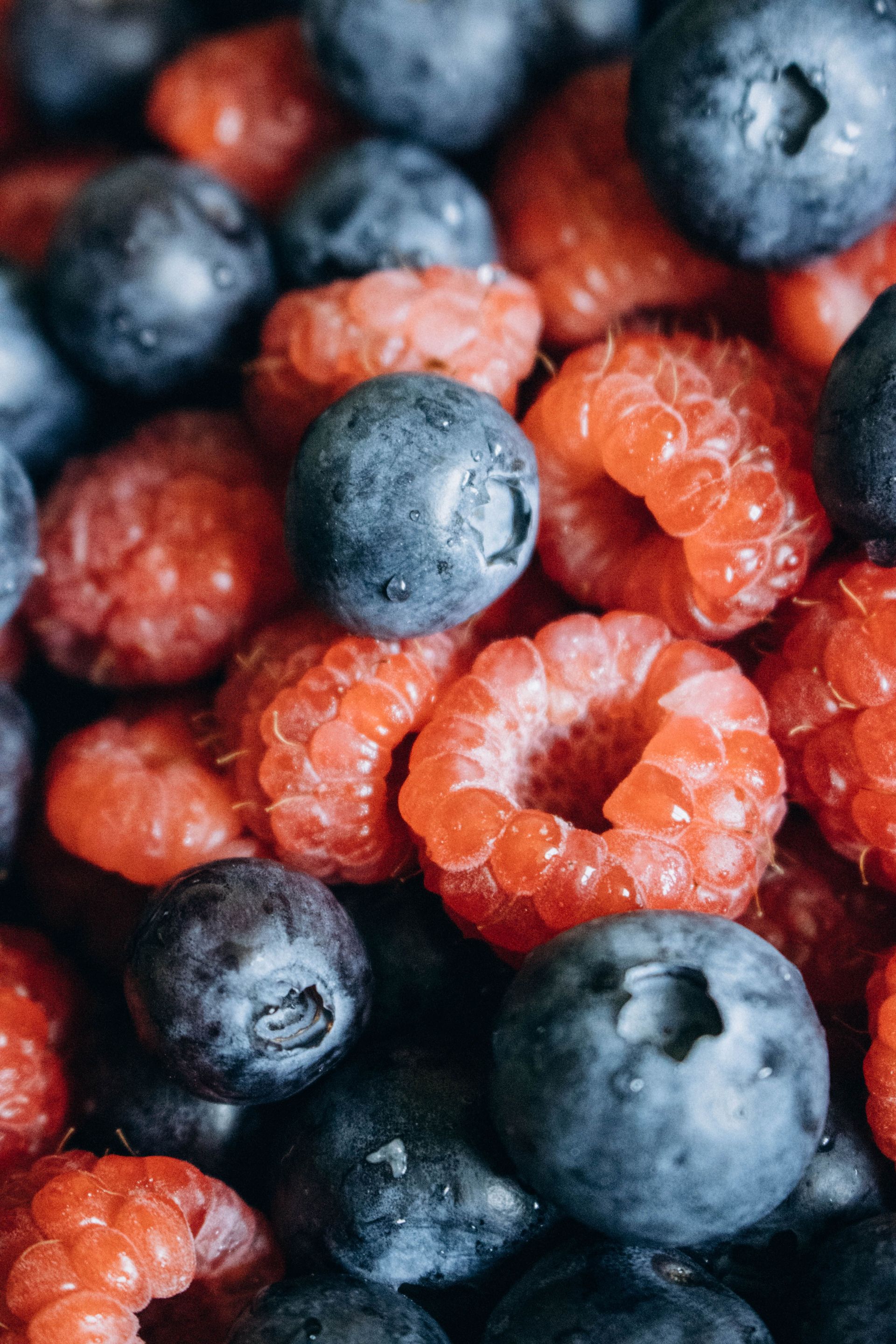
Strawberries, blueberries, raspberries, and blackberries are excellent additions to a fertility-conscious diet.
Berries contain vitamin C and various plant compounds, including anthocyanins and other polyphenols, that help protect cells against oxidative damage.
Oxidative stress occurs when the body produces more reactive molecules than its protective systems can manage. Excessive oxidative stress has been associated with reproductive problems, including changes in sperm function and egg health.
Why Berries May Be Beneficial
- Provide antioxidants that support cellular health.
- Supply vitamin C, which contributes to antioxidant defenses.
- Offer dietary fiber that supports metabolic health.
- Provide important nutrients without requiring added sugar.
Easy Ways to Add Berries to Your Diet:
Add blueberries to oatmeal, mix strawberries into plain Greek yogurt, or enjoy raspberries and blackberries as an afternoon snack.
Suggested Serving: Approximately 1 cup of fresh berries or a comparable portion of frozen berries.
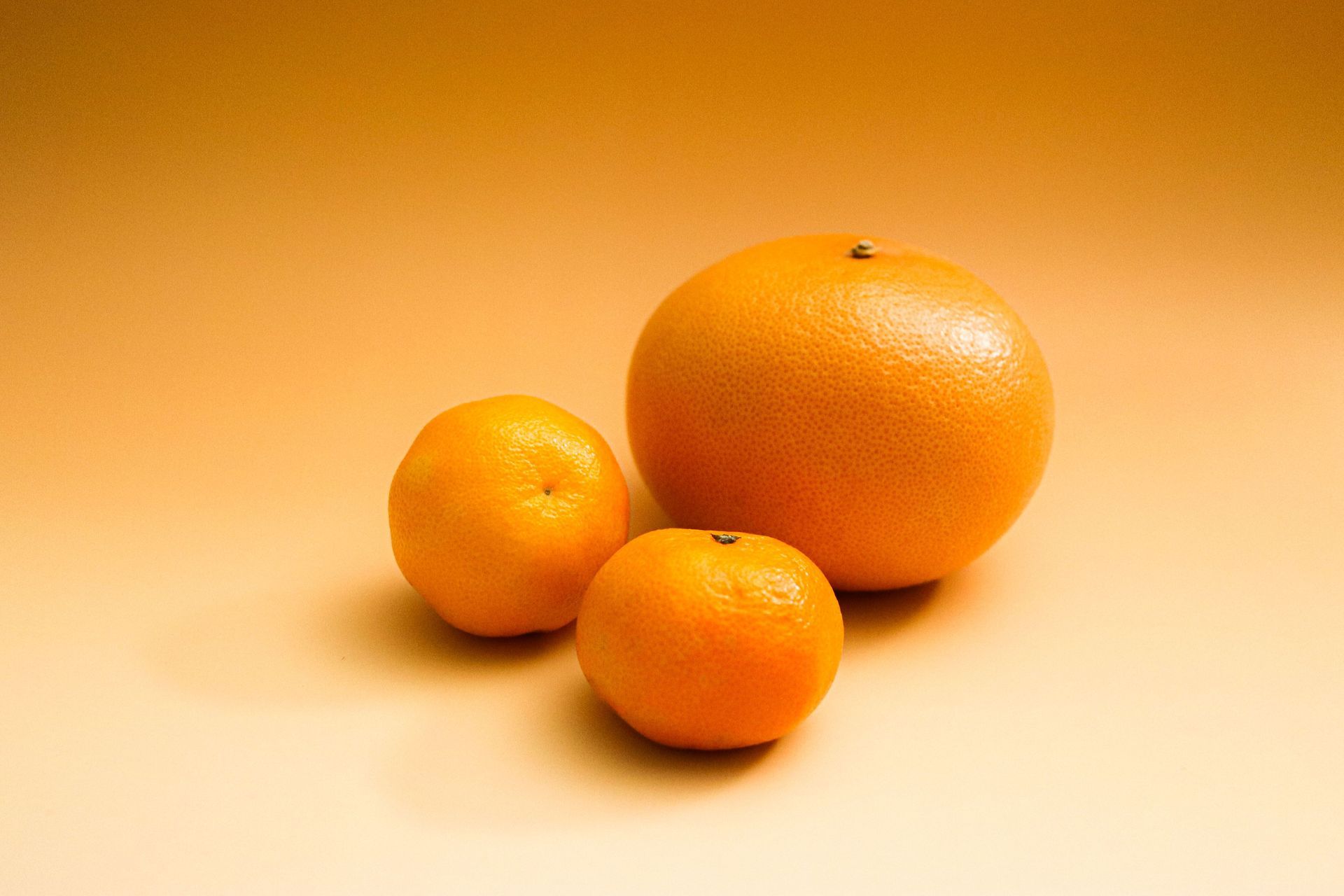
2. Citrus Fruits: Vitamin C and Folate for Fertility
Oranges, grapefruit, tangerines, and other citrus fruits provide vitamin C, folate, and additional plant nutrients.
Vitamin C is an antioxidant that helps protect cells from oxidative stress. It also contributes to normal immune function and collagen production.
Folate is particularly important for individuals planning pregnancy because it supports healthy cell division and early fetal development.
Why Citrus Fruits May Be Beneficial
- Supply vitamin C for normal cellular health.
- Provide dietary folate.
- Help support a nutrient-rich preconception diet.
- Offer hydration and fiber when eaten whole.
Easy Ways to Enjoy Citrus Fruits:
Eat an orange with breakfast, add mandarin slices to a spinach salad, or combine citrus segments with other fresh fruit.
Suggested Serving: One medium orange or a comparable portion of another citrus fruit.
Important: Grapefruit can interact with certain medications. If you are taking fertility medications or other prescription drugs, ask your healthcare team whether grapefruit is appropriate for you.
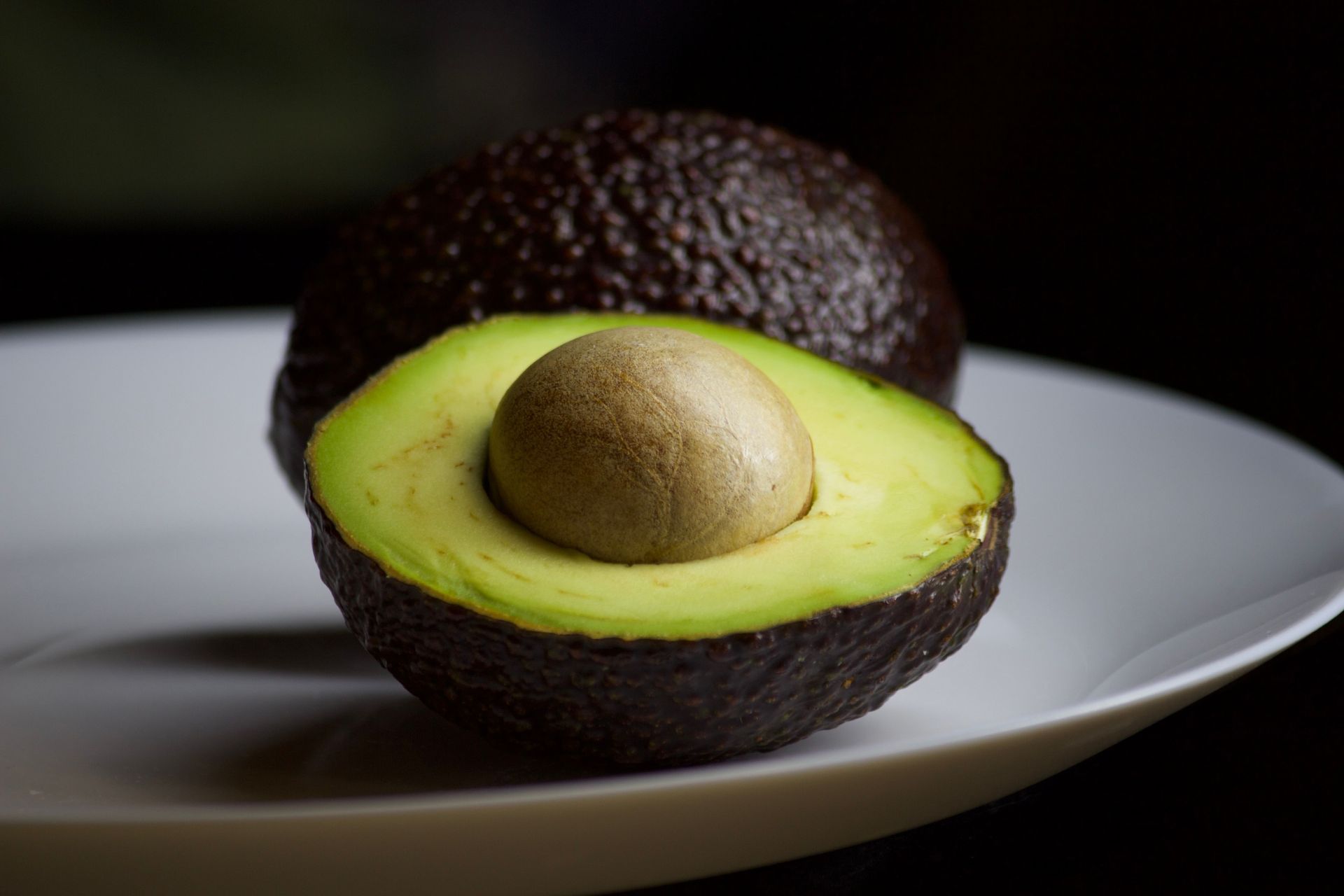
3. Avocados: Healthy Fats and Folate for Reproductive Wellness
Although commonly used as a vegetable, avocado is technically a fruit.
Avocados contain monounsaturated fats, fiber, folate, potassium, and vitamin E.
Healthy unsaturated fats are an important component of balanced dietary patterns associated with cardiovascular and metabolic health.
Some research has examined whether diets emphasizing unsaturated fats may be associated with favorable reproductive outcomes, particularly among individuals undergoing fertility treatment. However, eating avocado itself has not been proven to improve IVF success rates or egg quality.
Why Avocados May Be Beneficial
- Provide heart-healthy monounsaturated fats.
- Supply folate, which supports healthy cell division.
- Contain vitamin E, an antioxidant involved in protecting cells.
- Contribute fiber to support metabolic health.
Easy Ways to Add Avocado to Your Diet:
Spread mashed avocado on whole-grain toast, add sliced avocado to salads, or blend a small portion into a smoothie for a creamy texture.
Suggested Serving: Approximately one-third to one-half of a medium avocado, depending on individual nutritional needs.
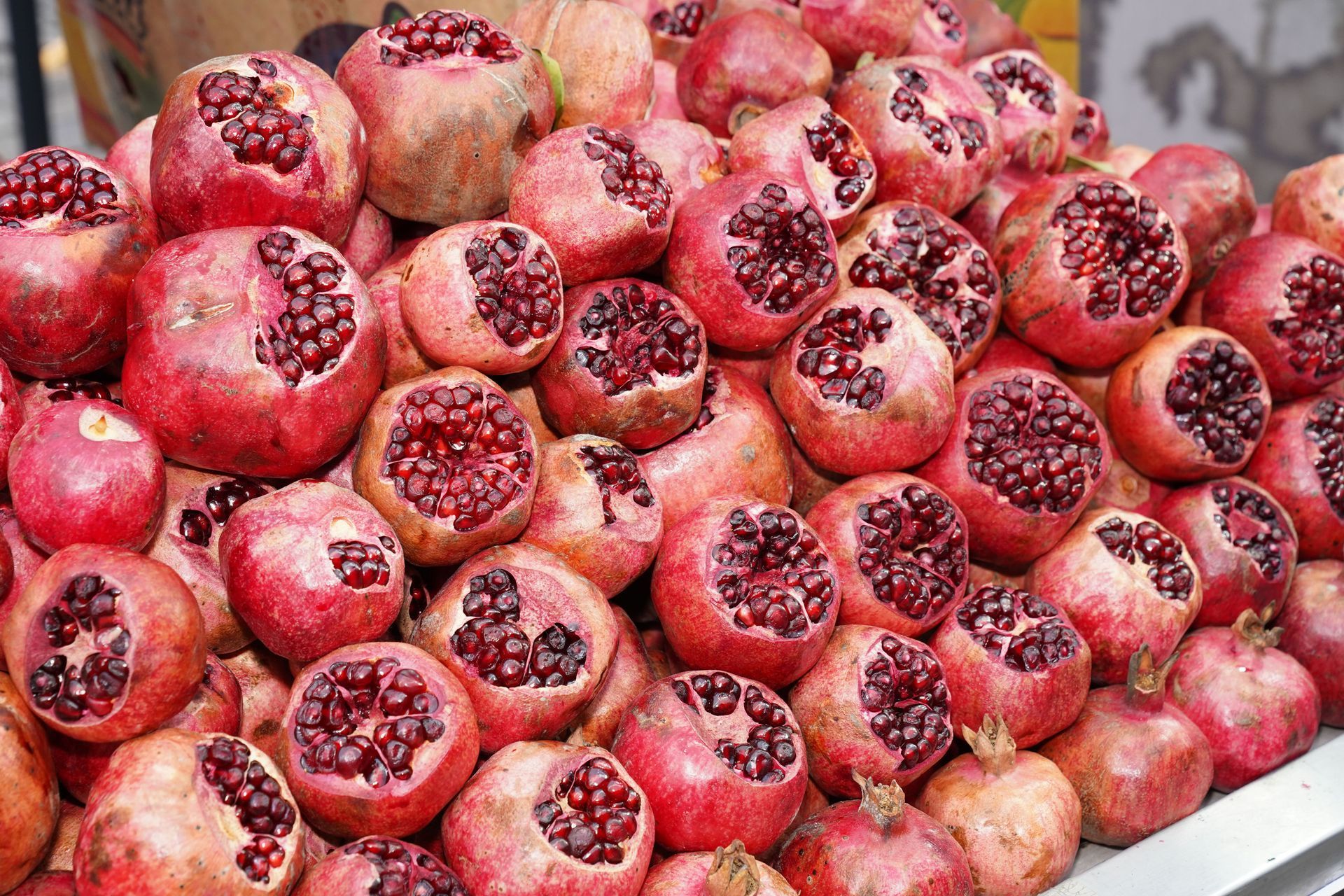
4. Pomegranates: Polyphenols and Antioxidant Support
Pomegranates are rich in polyphenols, including compounds called punicalagins and anthocyanins.
These naturally occurring plant compounds have antioxidant properties and have attracted interest in reproductive health research.
Some laboratory and animal studies have explored the potential relationship between pomegranate compounds, oxidative stress, and reproductive function.
However, human research remains limited, and there is not enough evidence to conclude that pomegranates directly improve egg quality, sperm quality, or pregnancy rates.
Why Pomegranates May Be Beneficial
- Provide antioxidant-rich plant compounds.
- Contribute fiber when eaten as whole seeds, also called arils.
- Add variety to a nutrient-rich diet.
- Supply vitamin C and other micronutrients.
Easy Ways to Enjoy Pomegranates:
Sprinkle pomegranate seeds over yogurt, add them to a salad, or combine them with berries for a colorful fruit bowl.
Suggested Serving: Approximately one-half cup of pomegranate arils.
Whole pomegranate seeds are generally preferable to sweetened pomegranate beverages because they provide fiber without added sugars.
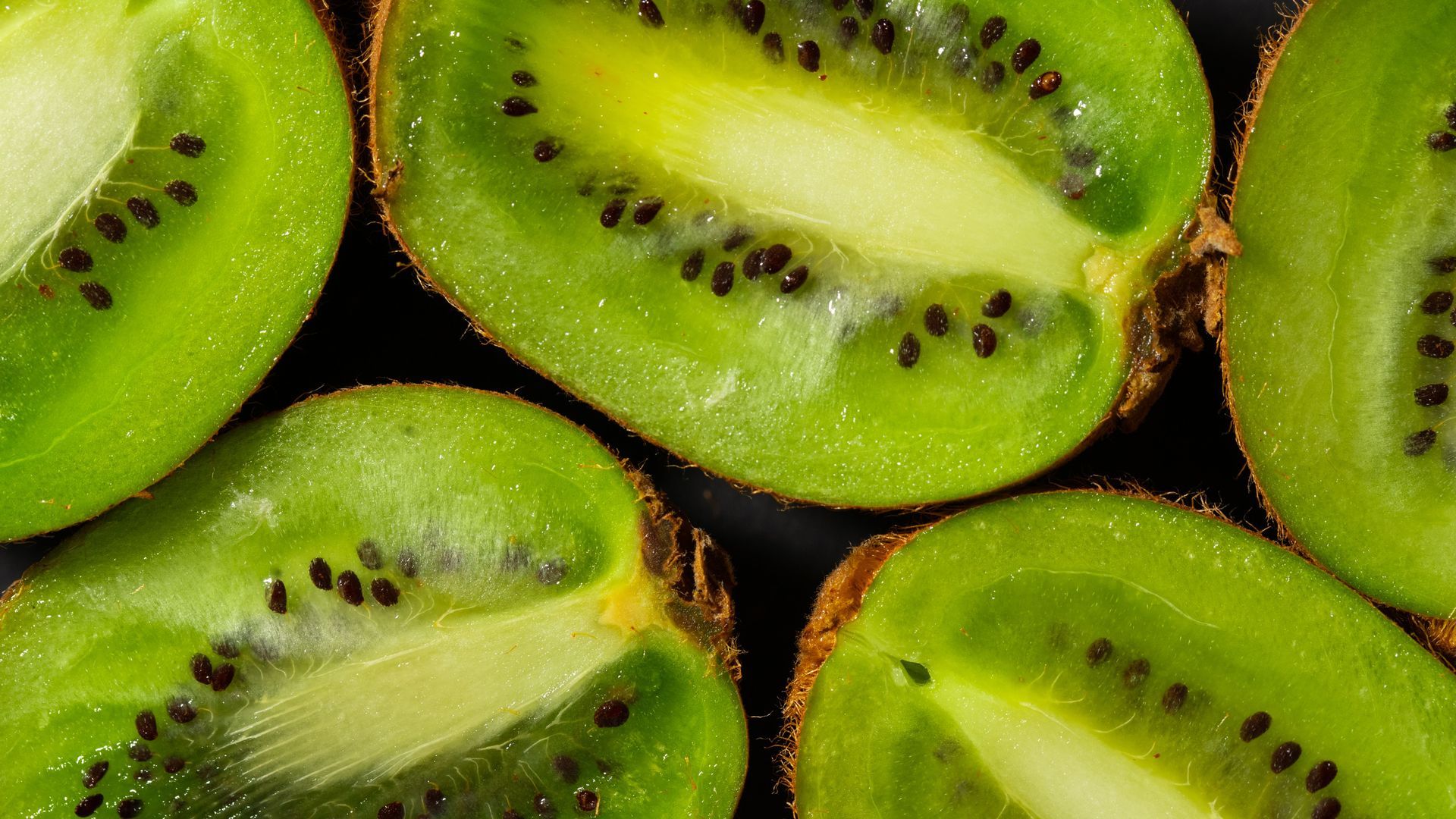
5. Kiwi: Vitamin C and Folate in One Small Fruit
Kiwi is another excellent option for individuals looking to increase their intake of fertility-supportive nutrients.
This small fruit contains vitamin C, fiber, potassium, and folate.
Its vitamin C content makes it a useful addition to a balanced diet that supports normal antioxidant function.
Why Kiwi May Be Beneficial
- Provides vitamin C to support cellular health.
- Contains folate for normal cell growth.
- Supplies fiber for digestive wellness.
- Offers a convenient, nutrient-dense snack.
Easy Ways to Enjoy Kiwi:
Slice kiwi into a fruit salad, add it to yogurt, or enjoy it alongside a protein-rich breakfast.
Suggested Serving: One to two kiwis.
How Fruits Support Egg and Sperm Health Differently
Both egg and sperm health can be influenced by nutritional status, oxidative stress, and overall health. However, their reproductive functions differ.
Nutrition and Egg Health
Egg quality is strongly influenced by age, and no specific food has been proven to reverse age-related changes in egg quality.
Nevertheless, a nutritious diet can support overall health and help provide the nutrients needed for normal reproductive processes.
For individuals with conditions such as polycystic ovary syndrome (PCOS), dietary patterns that support metabolic health may be particularly helpful as part of a broader treatment plan.
Fruit can be included in these eating patterns, with an emphasis on whole fruits and balanced meals.
Nutrition and Sperm Health
Sperm production requires adequate nutrition, normal hormonal function, and healthy testicular function.
Oxidative stress has been associated with sperm DNA damage and changes in sperm motility and function.
Fruits provide antioxidants and other nutrients that may help support general sperm health. However, studies have not consistently demonstrated that antioxidant-rich foods or supplements alone improve pregnancy or live birth rates.
For men experiencing fertility concerns, a semen analysis and appropriate medical evaluation are more reliable than dietary changes alone for identifying potential problems.
How Much Fruit Should You Eat When Trying to Conceive?
For many adults, approximately 1½ to 2 cups of fruit per day can fit into a healthy eating pattern, although individual needs vary.
The goal is not to consume large amounts of one particular fruit. Instead, focus on variety.
A simple day might include:
- Breakfast: Plain Greek yogurt topped with blueberries and strawberries.
- Lunch: A spinach salad with avocado and mandarin orange slices.
- Afternoon Snack: A kiwi or a small bowl of pomegranate seeds.
- Dinner: A balanced meal containing vegetables, whole grains, and a lean protein source.
Pairing fruit with protein, fiber, or healthy fats can also help create more satisfying meals and snacks.
Should You Limit Sugar From Fruit When Trying to Conceive?
One common concern among individuals trying to conceive is whether the natural sugar found in fruit can negatively affect fertility.
For most people, whole fruit is a nutritious choice and does not need to be avoided simply because it contains naturally occurring sugar.
Unlike many sugary beverages and desserts, whole fruits provide fiber, water, vitamins, and beneficial plant compounds.
However, there are some considerations:
Choose Whole Fruit More Often Than Juice
Whole fruit generally contains more fiber than juice, which can help moderate the body's blood sugar response.
Be Mindful of Added Sugars
Sweetened fruit drinks, canned fruits packed in heavy syrup, and some packaged smoothies can contain significant amounts of added sugar.
Consider Individual Medical Needs
Individuals with PCOS, insulin resistance, or diabetes may benefit from personalized guidance on carbohydrate intake and meal planning.
There is no universal requirement to eliminate fruit when trying to conceive.
Can Fruit Interfere With Fertility Treatments?
Most whole fruits can be enjoyed as part of a balanced diet during fertility treatment. However, certain foods, beverages, and supplements deserve additional attention.
Grapefruit and Medication Interactions
Grapefruit can affect enzymes involved in the metabolism of some prescription medications, potentially changing medication levels in the bloodstream.
Not every fertility medication interacts with grapefruit, but it is important to check with your prescribing clinician or pharmacist.
Concentrated Fruit Extracts and Supplements
Antioxidant supplements and concentrated fruit extracts are not equivalent to eating whole fruit.
High-dose supplements may have different effects and can interact with medications or treatment plans.
Always discuss supplements with your fertility specialist before starting them.
Food Safety During Fertility Treatment and Pregnancy
Wash fresh fruits thoroughly before eating them, and follow your healthcare team's food safety recommendations, particularly if you may be pregnant.
Can Changing Your Diet Help You Get Pregnant Naturally?
Healthy eating is one important part of preparing for pregnancy, but dietary changes cannot address every cause of infertility.
Conditions such as blocked fallopian tubes, diminished ovarian reserve, significant sperm abnormalities, endometriosis, and certain ovulatory disorders may require medical evaluation or treatment.
A fertility-focused diet should complement appropriate medical care rather than replace it.
In general, a fertility evaluation is recommended after 12 months of regular, unprotected intercourse without pregnancy for women under 35, or after 6 months for women ages 35 and older. Women over 40 and individuals with known fertility risk factors may benefit from an earlier evaluation.
When Nutrition Isn't Enough: How Hudson Valley Fertility Can Help
Making positive dietary changes can be a valuable step toward improving overall health, but understanding your individual reproductive health is equally important.
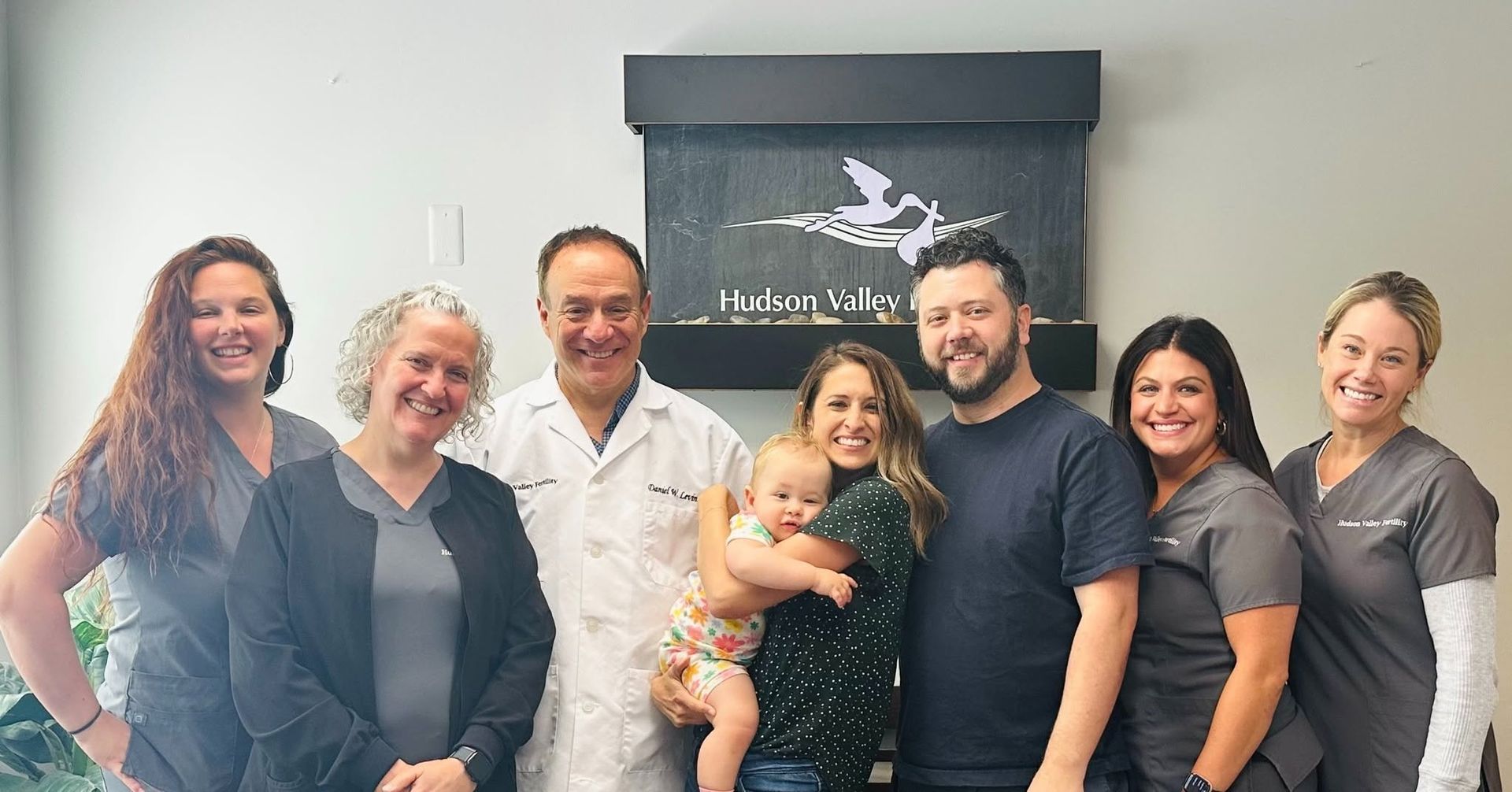
At Hudson Valley Fertility, our physician-owned and operated fertility clinic in Fishkill, NY, provides individualized fertility evaluations and treatment plans for people at different stages of their family-building journeys.
Under the medical direction of Dr. Daniel Levine, our team helps patients better understand the factors that may be affecting their ability to conceive.
Depending on your medical history and needs, an evaluation may include:
- Fertility Testing: Assessments of reproductive hormones, ovarian reserve, and other factors that may affect conception.
- Ovulation Evaluation: Testing and monitoring to identify potential ovulatory concerns.
- Male Fertility Testing: Semen analysis and additional evaluation when appropriate.
- Personalized Fertility Counseling: Guidance on reproductive health, lifestyle factors, and available treatment options.
- Fertility Treatments: Options such as ovulation induction, intrauterine insemination (IUI), and in vitro fertilization (IVF), when medically indicated.
Telemedicine consultations may also be available when appropriate.
Our goal is to help patients understand their options and make informed decisions based on their individual needs.
The Bottom Line: A Healthy Fertility Diet Is About Balance
Berries, citrus fruits, avocados, pomegranates, and kiwi can all contribute valuable nutrients to a fertility-conscious diet.
Their antioxidants, vitamins, fiber, and healthy fats help support overall health and normal cellular function, including processes relevant to reproduction.
However, no fruit can guarantee conception, prevent infertility, or replace necessary fertility testing and treatment.
The most effective approach is to focus on a balanced, sustainable eating pattern while addressing any underlying reproductive health concerns with a qualified fertility specialist.
Ready to Take the Next Step in Your Fertility Journey?
Whether you're just beginning to plan for pregnancy or have been trying to conceive without success, Hudson Valley Fertility is here to help you understand your reproductive health and explore your options.
Schedule a fertility consultation with Dr. Daniel Levine and our compassionate team today.
Hudson Valley Fertility
400 Westage Business Center Drive, Suite 109
Fishkill, NY 12524
Phone: (845) 765-0125
Medical Disclaimer: This article is intended for educational purposes only and should not replace individualized medical advice. Always consult your healthcare provider before making significant dietary changes, taking supplements, or modifying fertility treatment.