When couples struggle to conceive, fertility conversations often focus on women's reproductive health. However, male fertility plays an equally important role in conception. In fact, male factors contribute to approximately half of infertility cases, either alone or alongside female factors.
The good news? There are several evidence-based steps men can take to support sperm health, improve reproductive wellness, and potentially increase their chances of conception.
At Hudson Valley Fertility in Fishkill, NY, we understand that fertility is a shared journey. Our team, led by Medical Director Dr. Daniel Levine, helps individuals and couples throughout the Hudson Valley better understand their reproductive health through fertility testing, personalized evaluations, and advanced fertility treatment options.
Whether you're just beginning to try for a baby or have been experiencing difficulty conceiving, understanding sperm health is an important first step.

Understanding Sperm Health: What Makes Sperm Healthy?
Sperm health involves much more than simply having a high sperm count. Several factors influence a man's ability to fertilize an egg.
During a semen analysis, fertility specialists typically evaluate:
- Sperm Count: The number of sperm present in a semen sample.
- Sperm Concentration: The number of sperm per milliliter of semen.
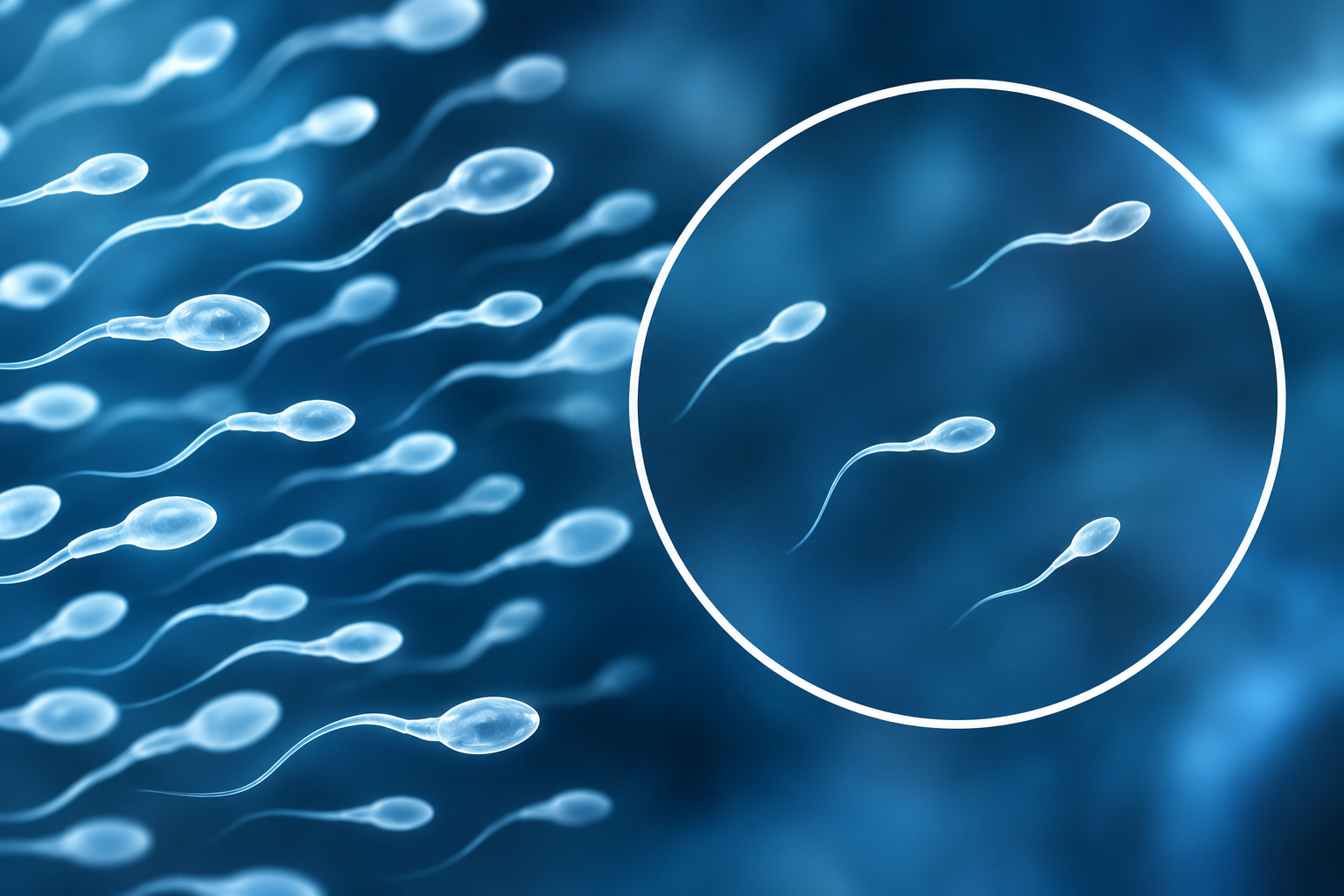
- Sperm Motility: How effectively sperm move, which is essential for reaching and fertilizing an egg.
- Sperm Morphology: The size and shape of sperm, which can provide information about sperm development.
- Semen Volume: The amount of fluid produced during ejaculation.
In some cases, additional testing may be recommended to evaluate sperm DNA integrity, reproductive hormones, or other potential fertility concerns.
It's important to remember that an abnormal semen analysis does not automatically mean a man is infertile. Sperm measurements naturally fluctuate, and results should be interpreted alongside medical history and other fertility factors.
What Causes Low Sperm Count or Poor Sperm Quality?
Male fertility challenges can develop for several reasons. Some are related to lifestyle habits, while others involve underlying medical conditions.
Common factors that may affect sperm production or function include:
1. Hormonal Imbalances
Testosterone and other reproductive hormones help regulate sperm production. Hormonal disorders can interfere with this process and reduce sperm production.
2. Varicoceles
A varicocele occurs when veins within the scrotum become enlarged. These enlarged veins may interfere with normal testicular function and contribute to reduced sperm quality.
3. Smoking and Tobacco Use
Smoking exposes the body to chemicals associated with oxidative stress, sperm DNA damage, and reduced semen quality.
4. Excessive Alcohol Consumption
Heavy alcohol use may interfere with hormone production and negatively affect sperm health.
5. Obesity and Metabolic Health
Excess body weight can influence reproductive hormone levels and is associated with changes in semen quality in some men.
6. Certain Medications and Medical Conditions
Some medications, infections, genetic conditions, cancer treatments, and previous surgeries may affect sperm production.
Testosterone replacement therapy and anabolic steroids are especially important to discuss with a fertility specialist because they can significantly suppress sperm production.
7. Heat Exposure
The testicles function at a temperature slightly below normal body temperature. Frequent exposure to high temperatures may temporarily affect sperm production.
Identifying the underlying cause of male infertility can help determine which treatments or lifestyle changes may be most beneficial.
7 Evidence-Based Ways to Improve Sperm Health Naturally
While not every cause of male infertility can be corrected through lifestyle changes, healthy habits can support reproductive health and may improve sperm quality.
1. Eat a Nutrient-Rich, Fertility-Friendly Diet
Nutrition plays an important role in overall reproductive health.
A balanced diet that includes fruits, vegetables, whole grains, lean proteins, and healthy fats provides nutrients involved in normal sperm development.
Some particularly beneficial foods include:
- Berries: Provide antioxidants that help protect cells from oxidative stress.
- Citrus Fruits: Contain vitamin C, an antioxidant involved in protecting cells from damage.
- Leafy Greens: Supply folate and other nutrients important for cellular function.
- Walnuts and Other Nuts: Provide healthy fats and nutrients that may support sperm health.
- Fatty Fish: Salmon, sardines, and other oily fish contain omega-3 fatty acids.
- Pumpkin Seeds: Provide zinc, a mineral involved in normal reproductive function.
Research suggests that dietary patterns rich in plant foods, fish, and unsaturated fats are associated with better semen parameters in some populations. However, no single food has been proven to reverse male infertility.
Fertility Tip: Focus on consistent, balanced nutrition rather than relying on one specific fertility-boosting food.
2. Exercise Regularly and Maintain a Healthy Weight
Regular physical activity supports cardiovascular health, metabolism, and hormonal balance.
For men who are overweight or obese, improving metabolic health may also support reproductive function.
Consider incorporating:
- Moderate aerobic exercise, such as brisk walking, cycling, or swimming.
- Strength training several times per week.
- Daily movement to reduce prolonged inactivity.
- Sustainable nutrition and exercise habits that support a healthy weight.
The general recommendation for adults is at least 150 minutes of moderate-intensity physical activity each week, along with muscle-strengthening activities.
Avoid extreme exercise routines or anabolic steroids, which may negatively affect reproductive hormones and sperm production.
3. Stop Smoking and Limit Alcohol Consumption
If you're trying to conceive, quitting smoking is one of the most meaningful changes you can make for your overall health.
Smoking has been associated with lower sperm concentration, reduced motility, and increased sperm DNA damage.
Heavy alcohol consumption may also disrupt hormone levels and impair reproductive health.
Men trying to improve fertility should consider:
- Quitting cigarettes and other tobacco products.
- Avoiding recreational drugs, including marijuana.
- Reducing or avoiding alcohol, particularly heavy drinking.
- Seeking medical support when help with substance cessation is needed.
These changes may benefit both reproductive health and long-term wellness.
4. Avoid Excessive Heat Around the Testicles
Sperm production works best when the testicles remain slightly cooler than core body temperature.
Frequent or prolonged exposure to high heat may temporarily reduce sperm production.
Simple precautions include:
- Limiting prolonged use of hot tubs and saunas.
- Avoiding placing laptops directly on the lap for extended periods.
- Taking breaks from environments involving significant heat exposure.
- Wearing comfortable clothing that does not cause excessive overheating.
Evidence that ordinary underwear choices significantly affect fertility is limited, so men do not need to make drastic clothing changes.
Fertility Tip: Reducing excessive heat exposure is a reasonable precaution, but it is not a substitute for medical evaluation when sperm counts are low.
5. Prioritize Sleep and Manage Stress
Sleep is essential for hormone regulation and overall physical health.
Poor sleep habits and chronic stress may affect reproductive wellness, although research has not established that stress reduction alone reliably improves fertility outcomes.
Men trying to conceive should aim to:
- Get approximately 7–9 hours of sleep each night.
- Maintain a consistent sleep schedule.
- Practice stress-management techniques such as meditation or breathing exercises.
- Make time for enjoyable physical activity.
- Seek support when fertility-related stress becomes overwhelming.
Fertility challenges can affect both partners emotionally. Supporting mental health is an important part of the fertility journey.
6. Understand Which Male Fertility Supplements May Help
Many supplements are marketed as products that increase sperm count or improve sperm motility.
Some commonly studied nutrients include:
Coenzyme Q10 (CoQ10): An antioxidant that has shown improvements in certain semen parameters in some small studies.
Zinc: Essential for normal reproductive function, particularly when a deficiency is present.
Selenium: A trace mineral involved in antioxidant defenses and normal sperm development.
Vitamin C and Vitamin E: Antioxidants studied for their potential role in reducing oxidative stress.
L-Carnitine: A compound involved in cellular energy metabolism that has been investigated for sperm motility.
Omega-3 Fatty Acids: Healthy fats that may support normal cellular function.
However, there is an important distinction between improving a laboratory sperm measurement and increasing the likelihood of pregnancy or live birth.
Current evidence does not establish that antioxidant supplements consistently improve pregnancy or live-birth rates in men with infertility. Major reproductive medicine guidelines consider the clinical benefits of many fertility supplements uncertain.
Taking high doses of vitamins or minerals can also cause side effects or interfere with other medications.
Before beginning supplements, speak with a qualified healthcare professional about whether testing or supplementation is appropriate.
7. Time Intercourse Around the Fertile Window
Even when sperm quality is normal, timing matters.
Pregnancy is most likely when intercourse occurs during the fertile window, which includes the five days before ovulation and the day of ovulation.
For couples trying to conceive naturally, having intercourse every one to two days during the fertile window can help maximize the chances of pregnancy.
Some couples mistakenly believe men should avoid ejaculation for several days to build up sperm.
However, prolonged abstinence is not necessary for most couples trying to conceive and may negatively affect certain sperm measurements.
Regular intercourse during the fertile window is generally more helpful than trying to save sperm for a single day.
How Long Does It Take to Improve Sperm Quality?
One of the most common questions men ask is, "How quickly can I improve my sperm count?"
Sperm production is a continuous process, and the development of new sperm takes approximately 74 days, followed by additional maturation.
Because of this, lifestyle changes may take around three months to produce measurable changes in semen quality.
For example, men who stop smoking, improve their nutrition, or address certain medical conditions may not see changes immediately.
The timeline depends on several factors, including:
- The underlying cause of reduced sperm quality.
- Age and overall health.
- Hormonal function.
- Exposure to medications or environmental factors.
- Whether a medical condition requires treatment.
Some fertility conditions may require longer treatment periods, while others may not improve with lifestyle changes alone.
A fertility specialist can help determine whether repeat semen testing is appropriate and when it should be performed.
When Should Men Seek Fertility Testing?
Many men assume they only need fertility testing after trying to conceive for several years.
However, early evaluation can help identify potential problems and avoid unnecessary delays.
In general, couples should consider a fertility evaluation when:
- They have been trying to conceive for 12 months without success and the female partner is younger than 35.
- They have been trying for 6 months when the female partner is 35 or older.
- The female partner is over 40, when more immediate evaluation is generally recommended.
- Either partner has a known condition that may affect fertility.
Men should also consider earlier evaluation if they have:
- A history of undescended testicles.
- Previous testicular injuries or surgeries.
- Known varicoceles.
- Problems with ejaculation or sexual function.
- A history of chemotherapy or radiation treatment.
- Previous abnormal semen analysis results.
- A history of testosterone or anabolic steroid use.
- Known genetic or hormonal conditions affecting fertility.
Men with testicular pain, swelling, or a new lump should seek prompt medical evaluation rather than waiting for a fertility appointment.
Male fertility testing should not be an afterthought. Evaluating both partners early can help identify potential barriers to conception and guide the next steps.
What Happens During a Male Fertility Evaluation?
At Hudson Valley Fertility, male fertility concerns can be addressed as part of a comprehensive fertility assessment.
Depending on individual circumstances, the evaluation may include several components.
Semen Analysis
A semen analysis is typically the first step in evaluating male fertility.
The test examines sperm concentration, movement, shape, and other semen characteristics.
Because results can vary between samples, repeat testing may be recommended when abnormalities are identified.
Medical History and Hormonal Evaluation
A medical history can help identify possible causes of infertility, including medications, previous surgeries, illnesses, and lifestyle factors.
Blood tests may be recommended to evaluate reproductive hormones such as follicle-stimulating hormone (FSH), luteinizing hormone (LH), and testosterone.
Additional Male Fertility Testing
Some men may benefit from further evaluation, including genetic testing or specialized testing when clinically indicated.
Sperm DNA fragmentation testing is not routinely recommended for every initial infertility evaluation, but it may be considered in selected circumstances.
When necessary, Hudson Valley Fertility can coordinate care with an appropriate reproductive urologist or other specialist.
Fertility Treatment Options When Sperm Quality Is Low
Lifestyle changes can support sperm health, but some men require medical intervention to achieve pregnancy.
Fortunately, several fertility treatments are available depending on sperm quality, the underlying diagnosis, and the reproductive health of both partners.
Intrauterine Insemination (IUI)
IUI involves preparing a semen sample and placing concentrated motile sperm directly into the uterus around ovulation.
This treatment may be appropriate for certain couples with mild male-factor infertility.
However, success rates may be lower when the number of motile sperm is significantly reduced.
In Vitro Fertilization (IVF)
IVF involves retrieving eggs from the ovaries and fertilizing them in a laboratory.
IVF may be recommended when other treatments have not been successful or when additional fertility factors are present.
Intracytoplasmic Sperm Injection (ICSI)
ICSI is a specialized laboratory technique commonly used alongside IVF.
During ICSI, an embryologist injects a single sperm directly into an egg.
This approach can help overcome certain sperm-related fertilization challenges, including some cases involving very low sperm counts or poor motility.
Although ICSI can help address fertilization difficulties, it does not guarantee fertilization, embryo development, or pregnancy.
Varicocele Treatment
For men with clinically significant varicoceles and abnormal semen parameters, referral to a reproductive urologist may be appropriate.
In selected cases, surgical repair may improve semen quality and fertility outcomes.
Sperm Freezing and Fertility Preservation
Sperm cryopreservation, commonly called sperm banking, allows sperm to be frozen and stored for potential future use.
It may be considered by men who:
- Are preparing for chemotherapy or other fertility-threatening medical treatment.
- Have certain medical conditions that may affect future sperm production.
- Expect difficulty providing a sperm sample during fertility treatment.
- Want to explore fertility preservation options.
A fertility specialist can help determine whether sperm banking is appropriate for an individual's circumstances.
Male Fertility Care in Fishkill, NY: How Hudson Valley Fertility Can Help
If you've been trying to conceive without success, you don't have to navigate fertility concerns alone.
At Hudson Valley Fertility, we believe both male and female reproductive health deserve careful attention, personalized guidance, and compassionate care.
Located in Fishkill, New York, our physician-owned fertility center serves individuals and couples throughout Dutchess County and the greater Hudson Valley, including Poughkeepsie, Wappingers Falls, Beacon, Hopewell Junction, Newburgh, and surrounding communities.
Under the leadership of Dr. Daniel Levine, our team helps patients explore their fertility concerns and understand available options.
Our approach may include:
- Semen analysis and male fertility assessment.
- Comprehensive fertility evaluations for couples.
- Hormonal testing when medically indicated.
- Personalized fertility treatment planning.
- Telemedicine consultations when appropriate.
- IUI and IVF treatment options.
- IVF with ICSI for selected male-factor infertility cases.
- Fertility preservation and sperm banking guidance.
- Coordination with reproductive urology specialists when needed.
We understand that fertility challenges can be frustrating, confusing, and emotionally difficult. Our goal is to provide clear answers, individualized care, and a supportive environment throughout the process.
Frequently Asked Questions About Improving Sperm Health
Can you increase sperm count naturally?
Some men may experience improvements in sperm count after making lifestyle changes such as quitting smoking, improving nutrition, maintaining a healthy weight, and reducing excessive heat exposure. However, results depend on the underlying cause, and medical treatment may be necessary.
What foods are best for sperm health?
Foods rich in antioxidants, healthy fats, and essential nutrients may support reproductive health. Examples include berries, citrus fruits, leafy greens, walnuts, fatty fish, and whole grains. No single food has been proven to cure male infertility.
Does drinking more water increase sperm count?
Staying hydrated supports overall health, but drinking additional water beyond normal hydration needs has not been shown to increase sperm production or correct a low sperm count.
Does age affect male fertility?
Yes. Although men may remain fertile later in life, sperm quality and reproductive outcomes can change with increasing paternal age. Advanced paternal age may also be associated with certain genetic and reproductive risks.
Can low sperm motility be improved?
In some cases, addressing lifestyle factors or treating an underlying medical condition may improve sperm motility. Other cases may require assisted reproductive treatments such as IUI or IVF with ICSI.
How often should men ejaculate when trying to conceive?
For most couples, intercourse every one to two days during the fertile window is recommended. Prolonged abstinence is generally unnecessary when trying to conceive naturally.
Can a man have a normal sperm count and still experience infertility?
Yes. Fertility depends on several factors beyond sperm count, including motility, morphology, reproductive function, and the fertility health of the other partner. A normal semen analysis does not guarantee conception.
Take the Next Step Toward Understanding Your Fertility
Improving sperm health starts with understanding the factors that influence reproductive wellness.
Healthy lifestyle choices may support sperm production and function, but they cannot correct every cause of male infertility. If you've been struggling to conceive, professional fertility testing can help identify potential concerns and guide your next steps.
At Hudson Valley Fertility in Fishkill, NY, our team is here to help you better understand your reproductive health and explore treatment options that fit your individual needs.
Ready to take the next step?
Schedule a fertility consultation with Dr. Daniel Levine and the Hudson Valley Fertility team to learn more about male fertility testing, semen analysis, and personalized fertility treatment options.
Visit
www.hudsonvalleyfertility.com to request an appointment today.
Medical Disclaimer: This article is intended for educational purposes and does not replace individualized medical advice, diagnosis, or treatment. Consult a qualified healthcare professional regarding fertility concerns or before beginning supplements or other treatments.