When you’re trying to conceive, nutrition can play an important role in preparing your body for pregnancy. One nutrient you’ll hear about frequently is folic acid—and for good reason.
Folic acid, a form of vitamin B9, supports the production of new cells and is especially important before conception and during the earliest stages of pregnancy. While taking folic acid does not guarantee that you will become pregnant, getting enough of this essential nutrient is an important part of preconception and prenatal health.
If you're trying to conceive naturally or undergoing fertility treatment, understanding the role of folic acid for fertility and pregnancy can help you prepare for the next step in your family-building journey.
What Is Folic Acid?
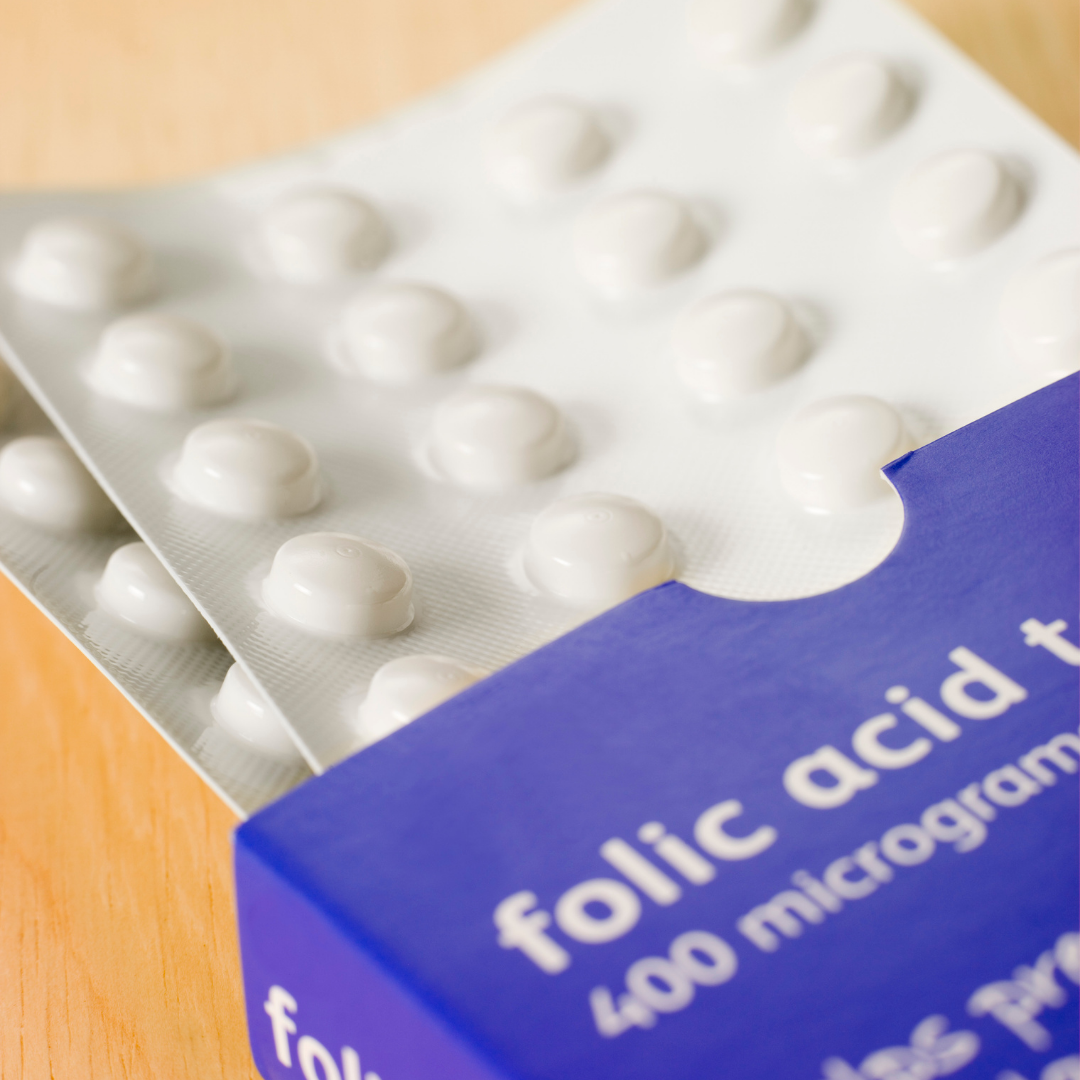
Folate is the general term for vitamin B9. It occurs naturally in foods such as leafy green vegetables, beans, and citrus fruits. Folic acid is a form of folate commonly found in vitamins, prenatal supplements, and fortified foods.
Vitamin B9 is essential for normal cell growth and development. Your body uses it to create new cells, which makes adequate folate especially important during periods of rapid growth—including the earliest stages of pregnancy.
The Centers for Disease Control and Prevention (CDC) recommends that women who are capable of becoming pregnant get 400 micrograms (mcg) of folic acid every day.
Why Is Folic Acid Important When Trying to Conceive?
You may associate folic acid primarily with pregnancy, but ideally, you should begin thinking about folic acid before you become pregnant.
One of the most important reasons is timing.
A baby's neural tube—which eventually develops into the brain and spinal cord—begins forming extremely early in pregnancy. Neural tube development occurs during the first several weeks, sometimes before someone even realizes they are pregnant.
That means waiting for a positive pregnancy test to begin thinking about folic acid may miss part of this critical developmental window.
ACOG recommends folic acid supplementation before pregnancy, and its preconception guidance states that average-risk women should receive 400 mcg per day.
For someone actively trying to conceive, taking a prenatal vitamin containing folic acid can therefore become part of preparing the body for pregnancy rather than something that begins only after conception.
Does Folic Acid Help You Get Pregnant?
This is an important distinction.
Folic acid is not a fertility medication, and taking more folic acid does not guarantee conception.
Instead, folic acid is an essential nutrient that supports normal cell development and helps prepare the body nutritionally for a potential pregnancy.
If you have been having difficulty becoming pregnant, simply increasing your folic acid intake should not replace a fertility evaluation. Infertility can have many potential causes involving ovulation, egg quantity or quality, sperm, the fallopian tubes, uterine factors, age, hormonal conditions, or a combination of factors.
A fertility specialist can evaluate those factors and determine whether treatment or additional testing may be appropriate.
Folic Acid Helps Protect Early Fetal Development
The strongest established benefit of folic acid around conception is its role in reducing the risk of neural tube defects (NTDs).
Neural tube defects are serious birth defects affecting the developing brain and spine, including conditions such as spina bifida and anencephaly. Because the neural tube closes during approximately the third and fourth weeks of pregnancy, prevention needs to begin very early.
The CDC states that getting 400 mcg of folic acid daily before and during early pregnancy can help prevent neural tube defects.
This is one of the biggest reasons folic acid matters even before you see those two lines on a pregnancy test.
How Much Folic Acid Should You Take When Trying to Conceive?
For most women who may become pregnant, the general recommendation is 400 mcg of folic acid each day.
ACOG recommends taking a prenatal vitamin containing at least 400 mcg of folic acid beginning at least one month before pregnancy and continuing during the first 12 weeks of pregnancy.
Your individual needs, however, may be different.
Some people may require a higher amount based on their medical or pregnancy history. For example, individuals who previously had a pregnancy affected by a neural tube defect may be advised to take a substantially higher dose under medical supervision.
Do not assume that more folic acid is automatically better. Talk with your fertility specialist, OB-GYN, or other healthcare provider about the appropriate amount for you, particularly if you have an underlying medical condition, take prescription medications, or have a history of pregnancy complications.
When Should You Start Taking Folic Acid?
Ideally, before you become pregnant.
The CDC recommends having adequate folic acid in your body for at least one month before pregnancy and during early pregnancy.
If you're already trying to conceive and haven't started taking folic acid, don't panic. Talk with your healthcare provider about beginning an appropriate prenatal vitamin or supplement now.
For patients undergoing fertility treatment—including IUI or IVF—preconception nutrition can also be discussed as part of your overall treatment plan.

Can You Get Enough Folate From Food?
A healthy diet is an important source of naturally occurring folate.
Foods that contain folate include:
- Dark leafy green vegetables
- Beans and lentils
- Oranges and other citrus fruits
- Avocados
- Asparagus
- Broccoli
- Brussels sprouts
- Peanuts
- Other fruits and vegetables
Folic acid is also added to many fortified foods, including certain breads, pastas, breakfast cereals, and grain products.
However, it can be difficult to consistently obtain the recommended amount through food alone. The CDC recommends combining a balanced diet containing folate-rich foods with fortified foods or a vitamin containing folic acid to help reach the recommended daily amount.
Folic Acid vs. Folate: What's the Difference?
You may see the terms folate and folic acid used interchangeably, but they aren't exactly the same thing.
Folate refers to the different forms of vitamin B9, including the forms naturally found in foods. Folic acid is a specific form commonly used in supplements and fortified foods.
When it comes to preventing neural tube defects, the CDC emphasizes an important distinction: folic acid is the form of folate that has been shown to help prevent neural tube defects.
If you're comparing prenatal vitamins or supplements, talk with your healthcare provider about what formulation is appropriate for you rather than relying solely on supplement marketing.
What Else Should You Consider Before Trying to Conceive?
Folic acid is important, but it's only one piece of preconception health.
Preparing for pregnancy can also include reviewing your:
- Overall nutrition
- Current medications and supplements
- Medical history
- Menstrual cycle and ovulation
- Vaccination history
- Alcohol, tobacco, and other substance use
- Existing health conditions
- Family and genetic history
- Exercise, sleep, and lifestyle habits
Preconception care is especially valuable because some health changes are most beneficial when they're made before pregnancy begins.
Frequently Asked Questions About Folic Acid and Fertility
Does folic acid increase fertility?
Folic acid is an essential nutrient for reproductive and pregnancy health, but it should not be considered a treatment for infertility or a guarantee of pregnancy. Its best-established role around conception is supporting healthy early fetal development and helping prevent neural tube defects.
How much folic acid should I take while trying to conceive?
For most women capable of becoming pregnant, the CDC recommends 400 mcg of folic acid daily. Your healthcare provider may recommend a different amount depending on your individual health and pregnancy history.
Should I take folic acid before getting pregnant?
Yes. Because neural tube development occurs very early in pregnancy, health organizations recommend getting adequate folic acid before conception. ACOG recommends starting a prenatal vitamin containing at least 400 mcg of folic acid at least one month before pregnancy when possible.
Is folate the same as folic acid?
Folate is the general term for vitamin B9 and includes naturally occurring food folates as well as other forms. Folic acid is a specific form used in many supplements and fortified foods.
Should I take folic acid during IVF or IUI?
People undergoing fertility treatment should discuss prenatal vitamins, folic acid, and other supplements with their fertility specialist. Your provider can recommend an amount based on your treatment plan, medications, medical history, and individual nutritional needs.
Can I get enough folate through my diet?
Folate-rich foods are an important part of a healthy diet, but getting the recommended amount consistently through food alone can be difficult. A prenatal vitamin or multivitamin containing folic acid is commonly recommended before pregnancy.
Preparing for Pregnancy? Hudson Valley Fertility Is Here to Help
Small steps taken before pregnancy can help build a healthier foundation for what comes next. Getting enough folic acid is one of those steps—but fertility and preconception health involve much more than a single vitamin.
At Hudson Valley Fertility in Fishkill, NY, we help individuals and couples better understand their fertility, explore their family-building options, and develop a treatment plan based on their individual needs.
Whether you're just beginning to try to conceive, have been struggling to become pregnant, or are considering fertility treatment such as IUI or IVF, our team is here to help you understand your options.
Ready to take the next step in your fertility journey? Contact Hudson Valley Fertility to schedule a consultation with our fertility team in Fishkill, New York.