Ozempic Babies are becoming more common as GLP-1 medications impact fertility. Learn what this means for patients of Hudson Valley Fertility in Fishkill, NY.
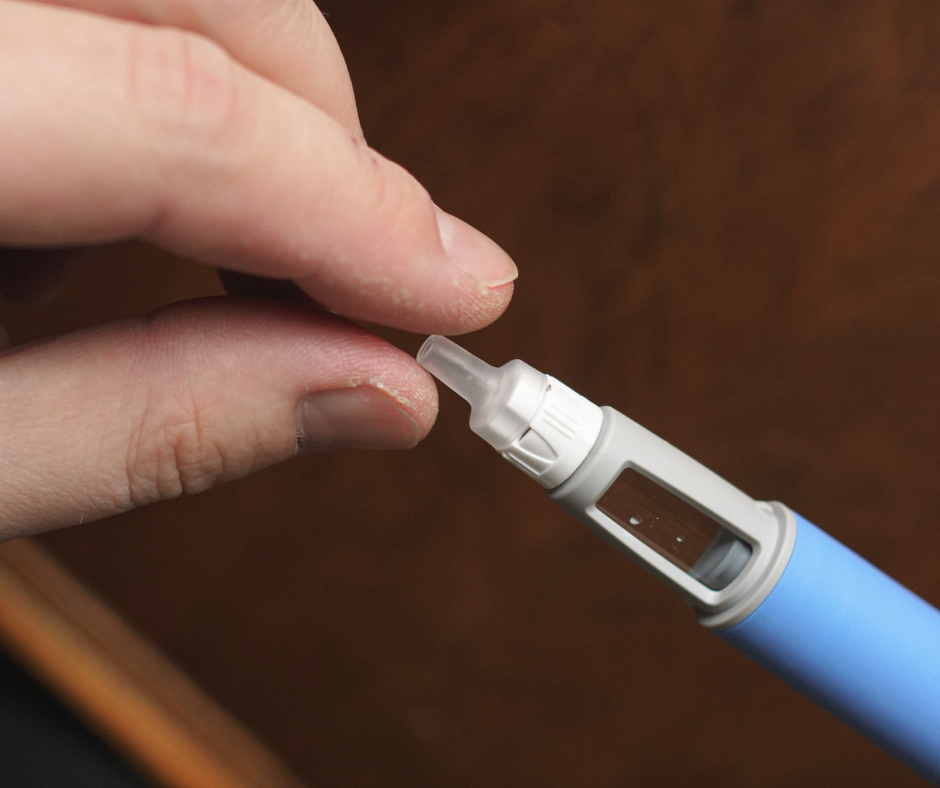
In recent months, the phrase Ozempic Babies has taken over social media feeds and medical conversations alike. Originally coined online, the term refers to unexpected pregnancies occurring in individuals taking GLP-1 medications such as Ozempic.
At Hudson Valley Fertility, serving families across the beautiful Hudson Valley, we believe knowledge empowers patients. If you’re trying to conceive, or trying not to, understanding how GLP-1 medications affect fertility is essential.
Let’s break it down in a clear, hopeful, and medically grounded way.
What Are Ozempic Babies?
“Ozempic Babies” describes pregnancies that occur while a patient, or their partner, is taking GLP-1 receptor agonists. While Ozempic gets the spotlight, it’s not alone. Similar medications include:
- Mounjaro
- Zepbound
- Trulicity
- Byetta
- Rybelsus
These medications were developed to treat type 2 diabetes and obesity. They are not fertility drugs. However, many patients report improved fertility after starting treatment, leading to unexpected pregnancies.
At Hudson Valley Fertility in Fishkill, NY, we’ve seen firsthand how metabolic health and reproductive health are deeply connected.
How GLP-1 Medications Improve Fertility
1. Weight Loss and Hormonal Balance
Body mass index (BMI) plays a major role in fertility. Research shows that for every BMI point above 29, female fertility can decrease significantly.
GLP-1 medications help patients:
- Lose excess weight
- Improve insulin sensitivity
- Reduce systemic inflammation
- Restore hormonal balance
When weight decreases, ovulation often becomes more regular. For men, weight loss can improve testosterone levels and sperm quality.
That’s a big deal.
At Hudson Valley Fertility, we frequently evaluate how metabolic health impacts reproductive outcomes. Addressing underlying conditions can dramatically improve success rates for natural conception and assisted reproductive treatments.
2. Improved Diabetes Control
Uncontrolled diabetes can disrupt ovulation and impair sperm function. GLP-1 medications stabilize blood sugar levels, which:
- Supports egg development
- Enhances endometrial health
- Improves sperm production
Healthy glucose levels create a healthier environment for conception.
3. Reduced Inflammation
Chronic inflammation interferes with implantation and hormonal signaling. GLP-1 medications may reduce inflammatory markers, creating a more receptive uterine environment.
When your body is in balance, pregnancy becomes more likely.
Can Ozempic Affect Birth Control?
Yes — and this is critical.
GLP-1 medications slow gastric emptying. Because birth control pills are absorbed through the digestive system, their effectiveness may be reduced, especially during dosage increases.
At Hudson Valley Fertility, we encourage patients to discuss contraceptive options if they are taking GLP-1 medications and are not planning pregnancy.
Consider Alternative Contraceptives
- Hormonal or copper IUDs
- Contraceptive implants
- Vaginal rings
Barrier methods may also be recommended during medication titration weeks.
If pregnancy is not your goal, proactive planning matters.
What If You Become Pregnant While Taking Ozempic?
If you conceive while on a GLP-1 medication, don’t panic, but do contact your healthcare provider immediately.
Current data is limited. One small study suggests no major early fetal harm, but more research is needed. Because long-term effects remain unclear, most providers recommend:
- Stopping the medication
- Transitioning to pregnancy-safe alternatives
- Closely monitoring maternal health
At Hudson Valley Fertility in Fishkill, NY, we create personalized care plans that protect both maternal and fetal health.
Are GLP-1 Medications Fertility Treatments?
No.
While Ozempic Babies are trending, GLP-1 medications are not designed to treat infertility. They are FDA-approved for diabetes and weight management.
If you are struggling to conceive, evidence-based fertility treatments such as:
- Ovulation induction
- Intrauterine insemination (IUI)
- In vitro fertilization (IVF) may be more appropriate.
Learn more about reproductive endocrinology from trusted medical sources like the American Society for Reproductive Medicine.

How Hudson Valley Fertility Supports Patients in Fishkill, NY
At Hudson Valley Fertility, we understand that every fertility journey is unique.
Serving patients throughout the Hudson Valley region, our Fishkill clinic offers:
- Comprehensive fertility evaluations
- Hormone testing
- Advanced reproductive technologies
- Personalized treatment plans
- Compassionate, supportive care
Whether you’re experiencing unexpected fertility changes while on GLP-1 medications or have been trying for years, our team is here to guide you.
Who Should Talk to a Fertility Specialist?
You may benefit from scheduling a consultation if:
- You’ve been trying to conceive for 12+ months (6 months if over 35)
- You have irregular cycles
- You have diabetes or metabolic conditions
- You recently experienced an unexpected pregnancy on GLP-1 medications
- You’re planning pregnancy after weight loss
Early evaluation improves outcomes.
Frequently Asked Questions (FAQs)
1. Can Ozempic really make you more fertile?
Yes, indirectly. Weight loss, improved blood sugar control, and hormonal balance can restore ovulation and improve sperm health.
2. Should I stop GLP-1 medications before trying to conceive?
Most providers recommend a washout period before pregnancy. Always consult your physician.
3. Are Ozempic Babies safe?
Early data is reassuring, but research is still limited. Medical supervision is essential.
4. Do GLP-1 medications replace fertility treatments?
No. They are not designed for infertility treatment.
5. Can men taking GLP-1 medications improve fertility?
Weight loss and hormone regulation may improve sperm quality.
6. Does Hudson Valley Fertility treat patients on GLP-1 medications?
Absolutely. We evaluate your full medical picture and tailor your care plan accordingly.
Bottom Line: Hope, Health, and Informed Decisions
Ozempic Babies may sound like a social media trend, but they highlight a powerful truth: metabolic health and fertility are closely connected.
GLP-1 medications can help restore hormonal balance and improve reproductive potential. However, they should be used strategically and under medical supervision.
If you’re in Fishkill, NY, or anywhere in the Hudson Valley and have questions about fertility, weight management, or planning for pregnancy, Hudson Valley Fertility is here to help.
Your path to parenthood deserves expert care, and a team that truly understands.